
With over 100 state parks, Washington is home to more than just stunning landscapes—it also boasts a rich history waiting to be explored. From centuries-old military forts to Indigenous heritage sites and pioneer settlements, the state’s historical parks offer a glimpse into the past while providing plenty of opportunities for outdoor adventure.
Whether you’re a history buff, a curious traveler, or simply looking for a unique day trip, this guide highlights some of the best historical state parks in Washington. Many of these parks are located near major cities or along scenic byways, making them easy to visit while road-tripping through the state.
So, if you’re ready to step back in time and explore Washington’s fascinating history, these state parks are well worth adding to your itinerary.
Best Historical State Parks in Washington
Columbia Hills Historical State Park

Columbia Hills Historical State Park is best known for its rich Native American heritage, as it is home to numerous petroglyphs and rock art created by the region’s Indigenous peoples, some dating back thousands of years.
These images, etched into basalt rock formations, depict animals, people, and other symbols that offer insight into the culture and traditions of the Native tribes that once inhabited the area. Visitors can take guided tours or self-guided hikes to see the petroglyphs and learn about the area’s past.
In addition to the petroglyphs, the park is tied to the Oregon Trail and Lewis and Clark Expedition, making it a great spot for those interested in early American exploration and pioneer history.
The park also features miles of hiking and biking trails that crisscross the Columbia Hills, offering astounding views of Mount Hood, Mount Jefferson, and the stunning Columbia River Gorge.
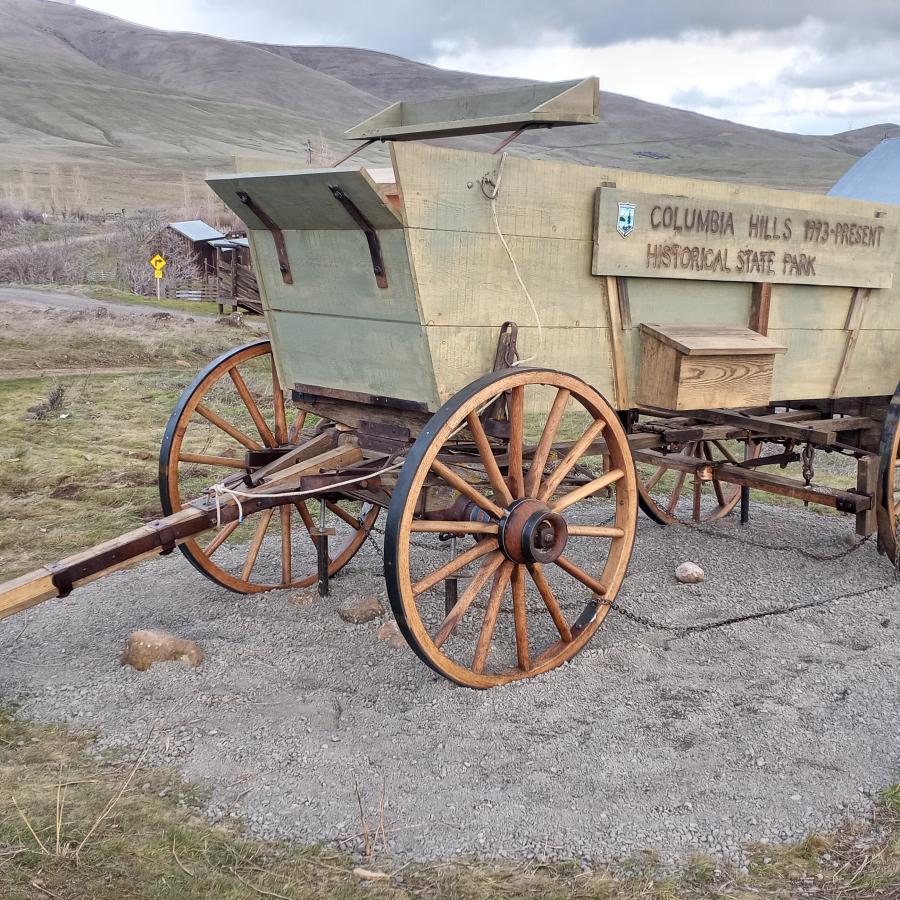

In the springtime, Columbia Hills is a popular wildflower viewing spot when the hills are dotted with colorful wildflowers like arrow-leaf balsam root and lupine. It’s a beautiful sight for nature enthusiasts and photographers alike.
Whether you’re exploring the petroglyphs, hiking the trails, or simply enjoying the pretty wildflowers, Columbia Hills Historical State Park is a memorable destination that blends both history and nature. It’s an especially great stop for anyone exploring the Columbia River Gorge or spending a weekend in The Dalles.
Jackson House State Park Heritage Site
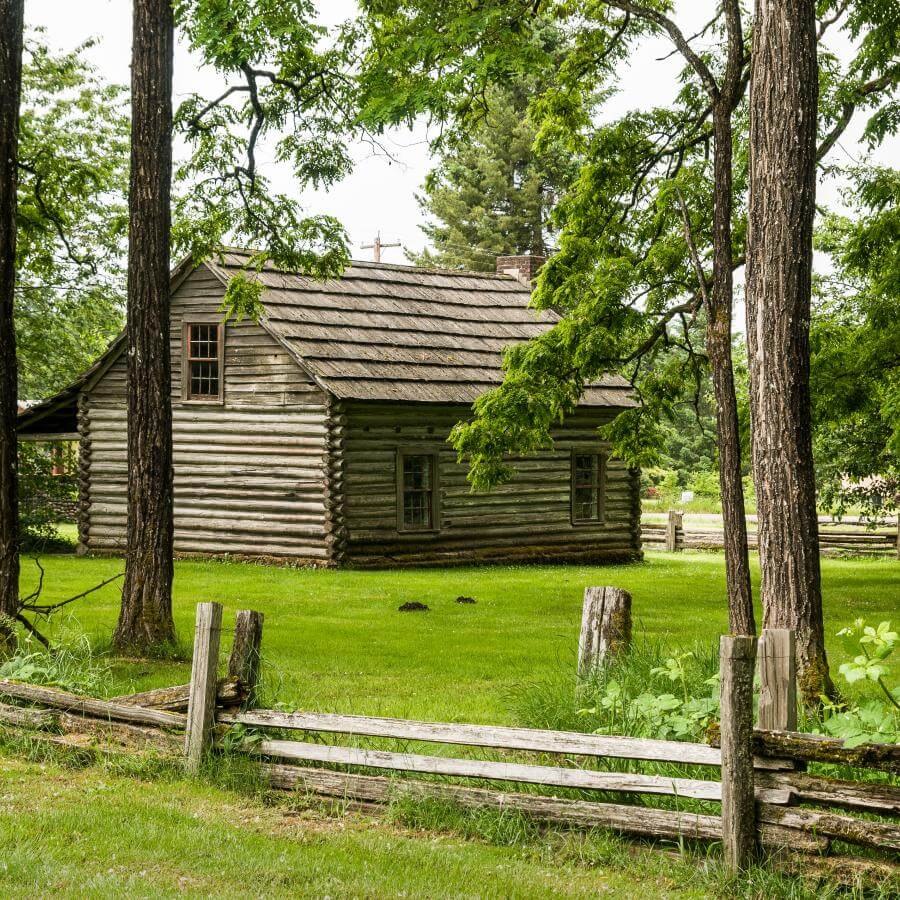
Tucked away in Lewis County, just outside Chehalis, Jackson House State Park Heritage Site is a hidden gem of Washington’s history. This modest yet significant log cabin was built in 1845 by John R. Jackson, an early settler who played a key role in the region’s development.
As one of the first American pioneers north of the Columbia River, Jackson established his homestead as a gathering place for travelers, traders, and government officials, even hosting early territorial court sessions.
The historic cabin, now carefully preserved, offers visitors a look into the challenges of frontier life in Washington’s territorial days. Although small, the site provides an important reminder of the state’s pioneer heritage. Interpretive signs share details about Jackson’s contributions to the region, and visitors can take a self-guided tour to appreciate the craftsmanship of the original log structure.
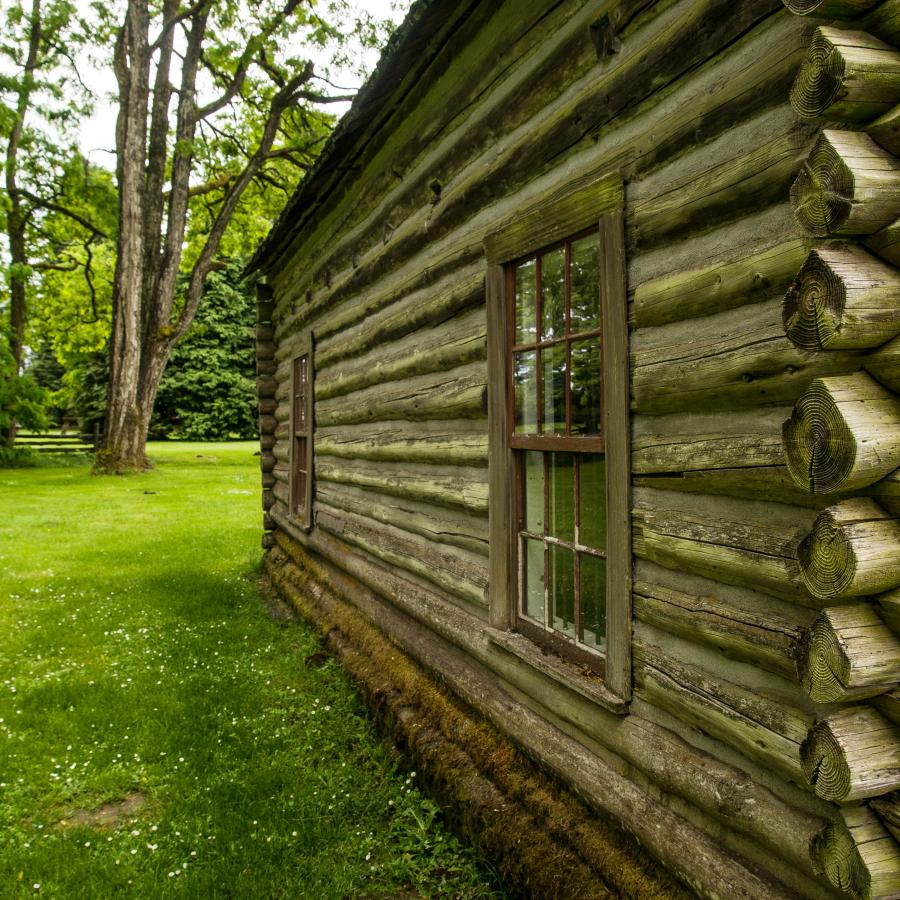
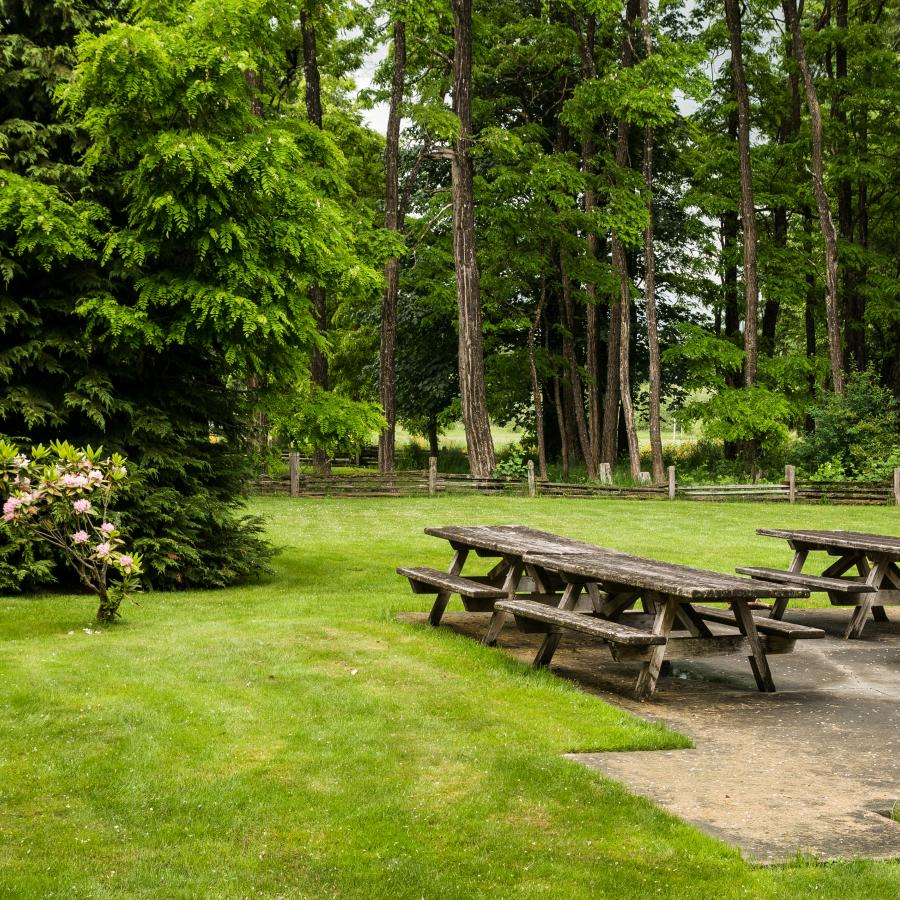
Due to its rural location, Jackson House sees fewer visitors than Washington’s larger state parks, but its proximity to Interstate 5 makes it a worthwhile stop for history lovers traveling between Portland and Seattle.
Since the park doesn’t offer recreational trails or camping, most visits are brief, but history enthusiasts will appreciate the chance to step back in time at this important pre-statehood landmark.
Fort Simcoe State Park Heritage Site
Situated on the Yakama Nation Reservation in central Washington, Fort Simcoe State Park Heritage Site offers a fascinating glimpse into the state’s complex past. Established in 1856, Fort Simcoe was built as a U.S. Army outpost to monitor tensions between settlers and the Yakama people during the treaty era.
However, after just three years, the fort was abandoned by the military and later repurposed as an Indian agency, a place where federal officials sought to assimilate the Yakama people into European-American culture.
Today, Fort Simcoe is one of Washington’s best-preserved military forts from the 19th century. Several original buildings still stand, including the officers’ quarters, which are open to visitors as museum exhibits detailing life at the fort and the experiences of the Yakama Nation. The park also features reconstructed blockhouses, providing insight into the fort’s military function.
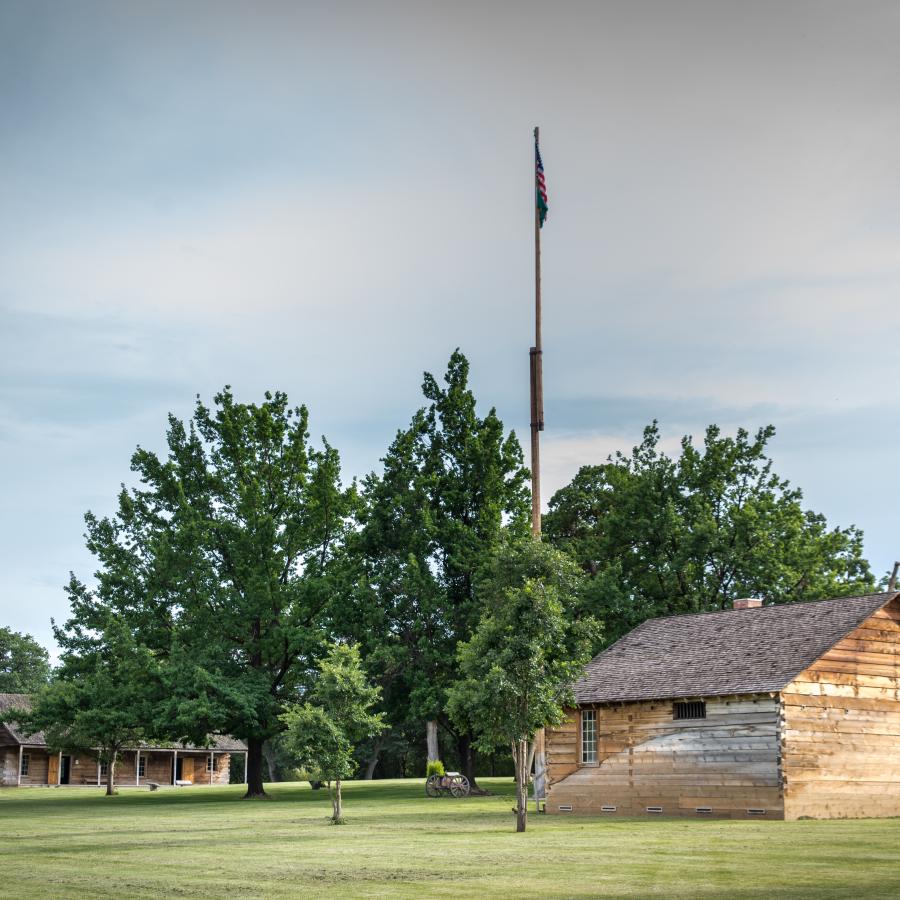

Interpretive signs throughout the site help visitors understand the historical tensions between the U.S. government and the Yakama people, making it a crucial stop for those interested in Indigenous history.
The park’s remote location—about 35 miles west of Yakima—means it isn’t as heavily visited as some other historical parks, but for those seeking a deeply educational experience, Fort Simcoe is well worth the trip. Spring and summer are the best times to visit, as the fort’s setting in a dry oak woodland can be chilly in winter. Visitors can enjoy picnic areas and open spaces, making it a peaceful yet thought-provoking destination to explore.
Fort Townsend Historical State Park

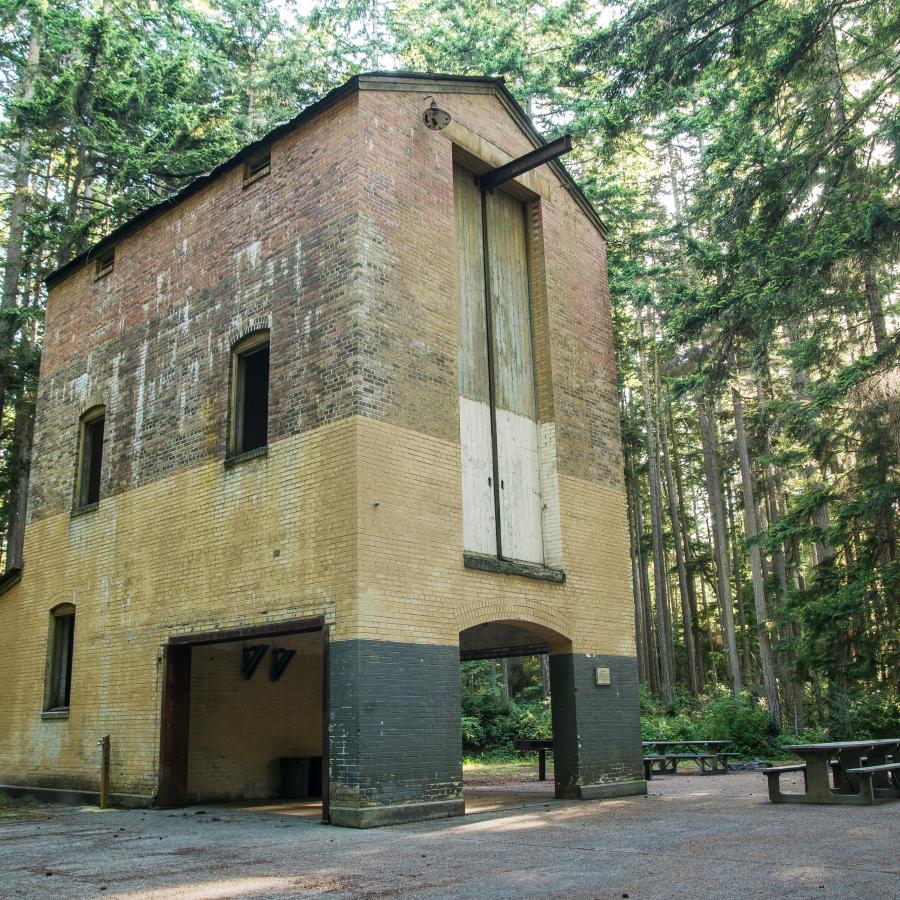
Fort Townsend Historical State Park is a hidden gem on the Olympic Peninsula that blends military history with lush forested beauty. Located just a few miles south of Port Townsend, this park preserves the site of a 19th-century U.S. Army fort, originally built in 1856 to protect settlers from potential conflicts with Indigenous tribes.
However, the fort saw little action and was later repurposed by the military before being destroyed by fire in 1895. Today, visitors can explore remnants of the fort, including old earthworks and interpretive signs detailing its history.
Beyond its historical significance, the park is a peaceful retreat with 6.5 miles of hiking trails winding through mature forest and along the shores of Port Townsend Bay. The mix of Douglas fir, cedar, and spruce provides a serene setting, and the trails offer glimpses of wildlife such as bald eagles and deer.

Its proximity to Port Townsend—a charming Victorian-era seaport with shops, restaurants, and maritime heritage—makes it an easy and rewarding day trip. Additionally, its location near the Pacific Coast Scenic Byway makes it a great stop for anyone road-tripping the Olympic Peninsula.
Whether you’re drawn by the military past or simply want to enjoy a quiet coastal forest, Fort Townsend Historical State Park is a unique destination.
Fort Worden Historical State Park
Ranked among Washington’s most fascinating historical parks, Fort Worden Historical State Park in Port Townsend offers visitors a unique blend of history, coastal scenery, and recreation. Once a key military installation in the “Triangle of Fire”—a system of forts designed to protect Puget Sound from naval invasion—Fort Worden now serves as a beautifully preserved state park where history meets adventure.
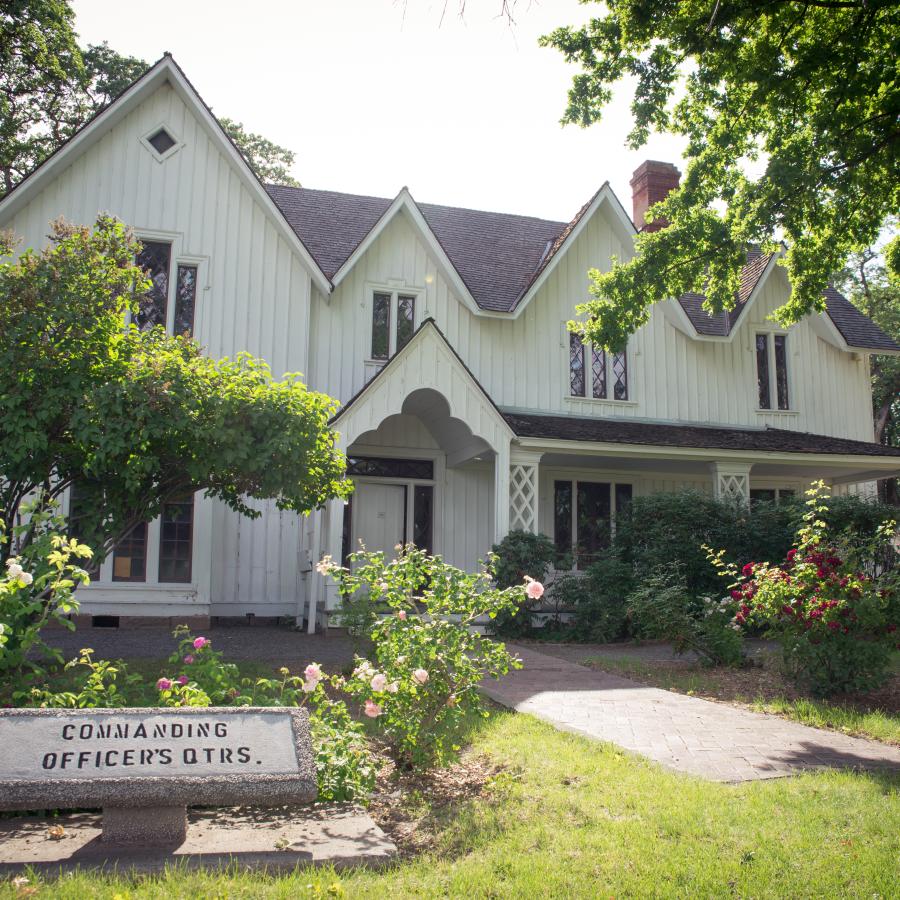
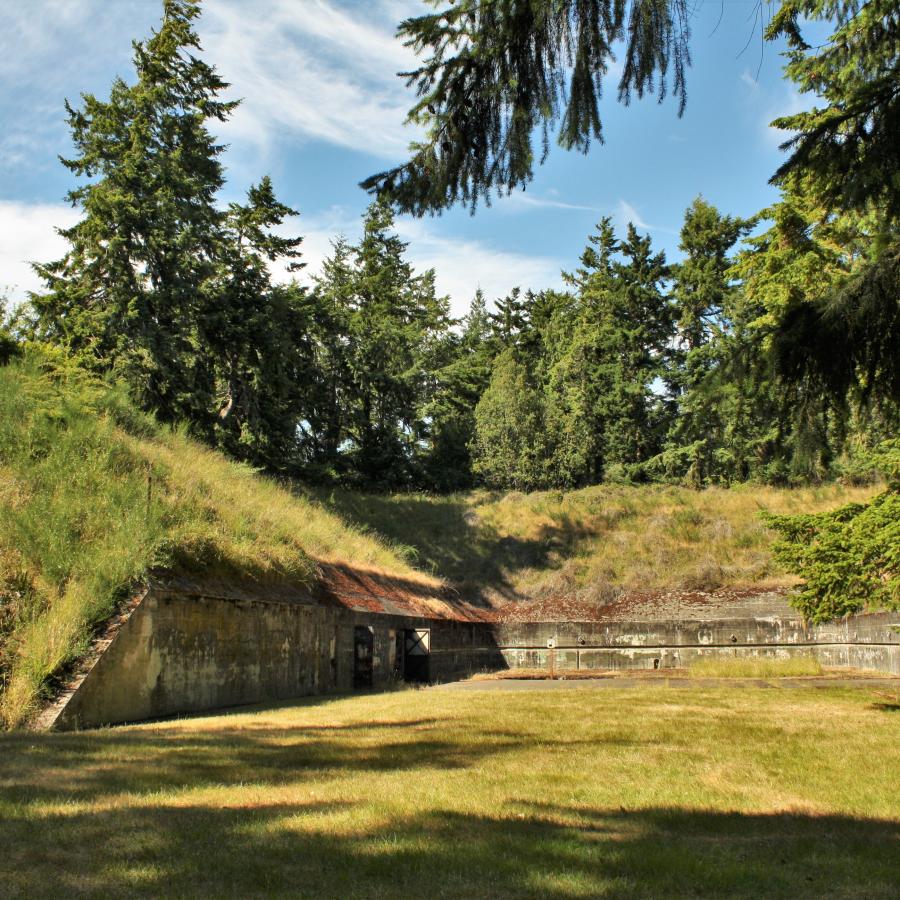
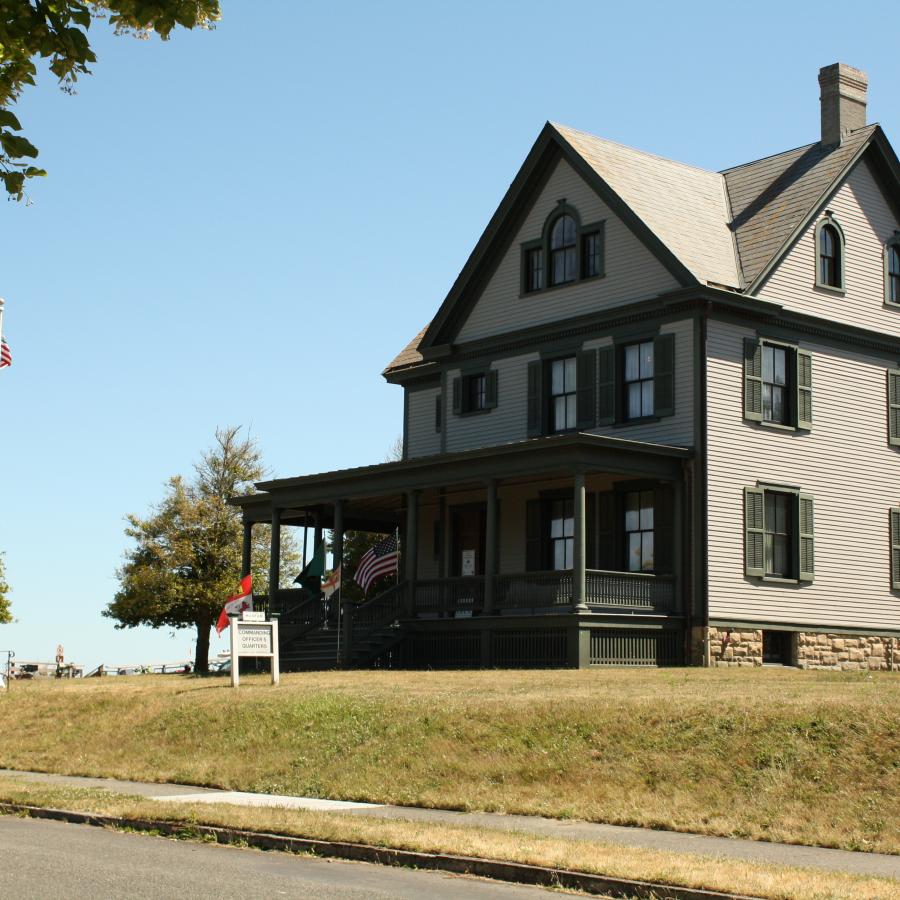
Visitors can explore the fort’s historic batteries, bunkers, and gun emplacements, many of which are open for self-guided exploration. The park is also home to the Commanding Officer’s Quarters Museum, which provides a glimpse into the lives of soldiers stationed here in the early 20th century, as well as the Coast Artillery Museum.
Beyond its military past, Fort Worden is a haven for outdoor lovers. The park features over 12 miles of hiking and biking trails, two miles of shoreline, and stunning views of the Strait of Juan de Fuca and the Olympic Mountains.
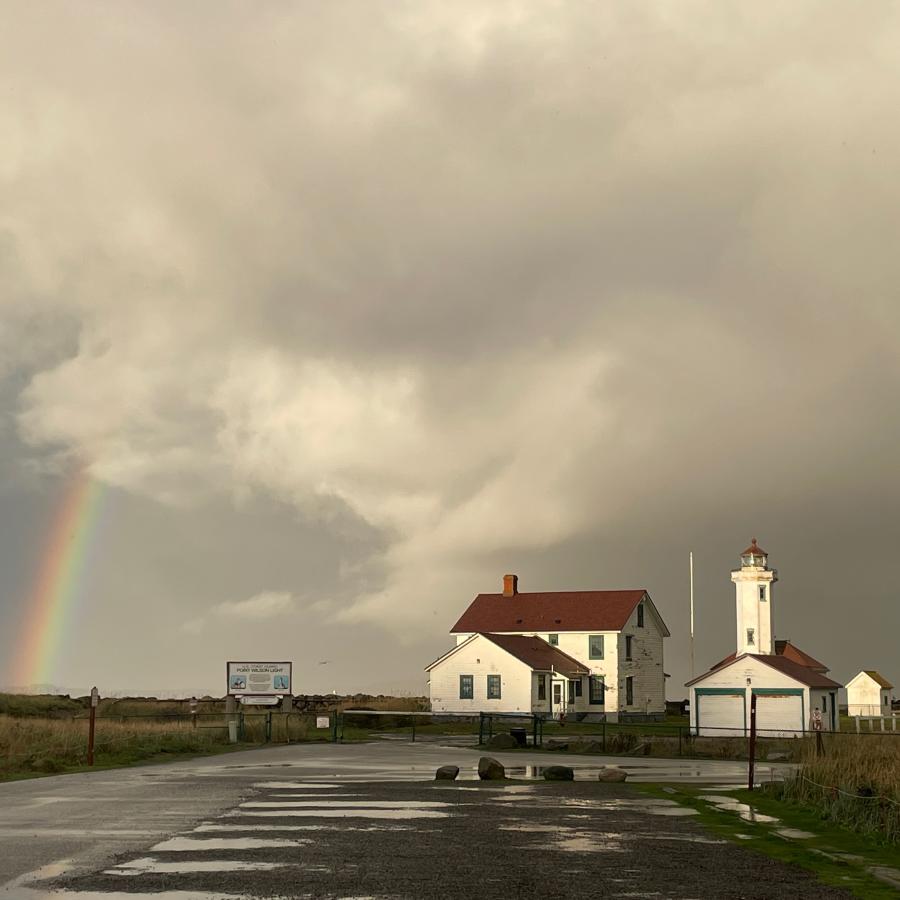
Kayaking, beachcombing, and wildlife watching are popular activities, and the park’s expansive grounds are perfect for picnics or camping. One of the park’s standout features is the Point Wilson Lighthouse, a picturesque beacon at the park’s northernmost tip that has guided mariners since 1914.
Why is Fort Worden so popular? Because it’s within walking distance of downtown Port Townsend, and an easy day trip from Seattle. Plus, its location along the Pacific Coast Scenic Byway and on the route of an Olympic Peninsula road trip ensures it’s a must-visit for travelers exploring the region.
Fort Casey Historical State Park

Perched on Whidbey Island overlooking the Puget Sound, Fort Casey Historical State Park is one of Washington’s most fascinating historical sites. Originally built in the late 19th century as part of the “Triangle of Fire”—a coastal defense system that also included Fort Worden and Fort Flagler—Fort Casey was designed to protect the entrance to Puget Sound from potential naval threats.
Today, this historic military fort invites visitors to explore its well-preserved bunkers, artillery batteries, and commanding views over Admiralty Inlet. One of the park’s most striking features is its massive 10-inch and 3-inch guns, which were restored to give visitors a glimpse into its former role as a coastal defense fortress. History buffs can wander through dark tunnels, climb atop gun emplacements, and imagine life as a soldier stationed here during the early 1900s.
Beyond its military history, the park is also home to the picturesque Admiralty Head Lighthouse, a beautifully restored 1903 lighthouse that offers insights into the region’s maritime past.
With its scenic waterfront setting and proximity to the Keystone ferry terminal, Fort Casey is a popular destination year-round. Summer months attract the most visitors, as people come to enjoy picnicking, hiking, and flying kites in the park’s open fields.
Its location just two hours from Seattle makes it an easy day trip for history lovers, while its connection to Whidbey Island’s other historic sites makes it a must-stop on any island road trip.
Sacajawea Historical State Park
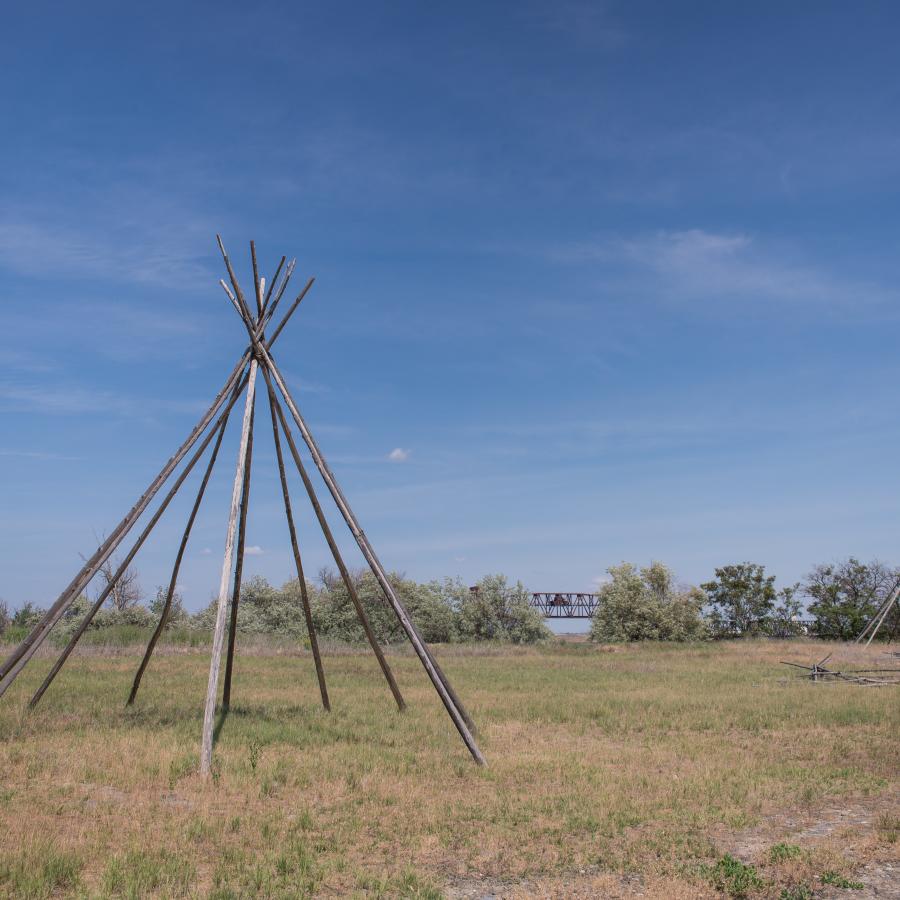
Named after the famed Shoshone guide who played a vital role in the Lewis and Clark Expedition, Sacajawea Historical State Park in Pasco, Washington is a must-visit for history enthusiasts. Situated at the confluence of the Snake and Columbia Rivers, this park marks the very site where the expedition camped on October 16, 1805.
At the heart of the park is the Sacajawea Interpretive Center, which provides an in-depth look at the expedition’s journey and the significance of Indigenous cultures in the region. Visitors can explore exhibits on Sacagawea herself, the local Sahaptian-speaking tribes, and the challenges faced by early explorers. The park also hosts an annual Heritage Days Festival, bringing history to life with reenactments and educational programs.
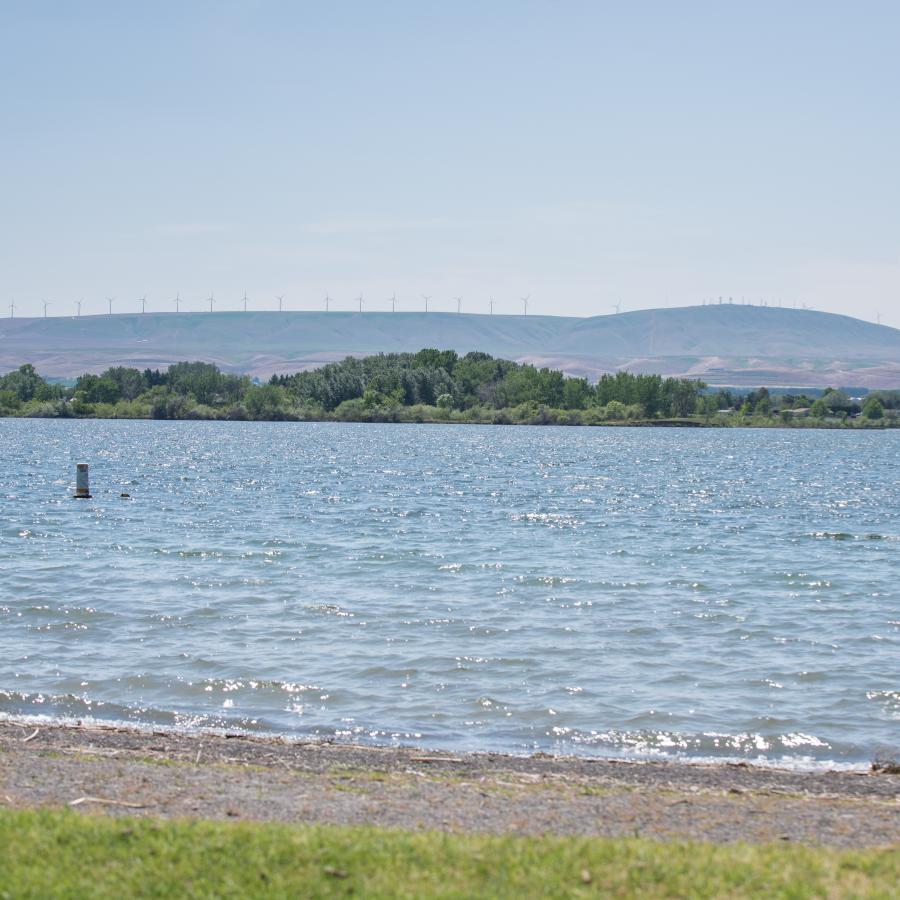
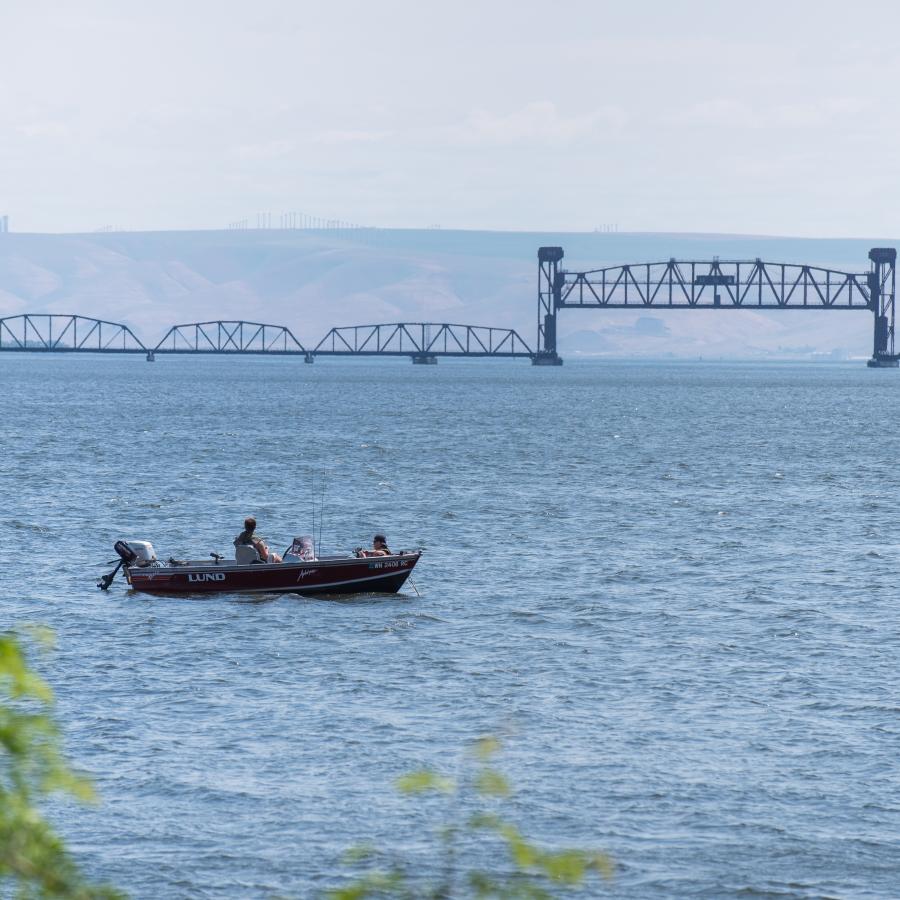
Beyond its historical significance, Sacajawea State Park is a scenic riverside retreat. Paved walking paths, shaded picnic areas, and stunning water views make it an inviting destination for a leisurely day outdoors. Boaters and paddlers can also launch from the park’s shoreline, retracing part of the explorers’ route along the Columbia River.
For anyone exploring things to do in Tri-Cities, Sacajawea State Park is an excellent stop. Whether you’re keen to learn about one of America’s most famous historical figures or simply looking to enjoy the riverfront setting, the park offers a unique combination of both history and natural beauty.
Steptoe Battlefield State Park Heritage Site
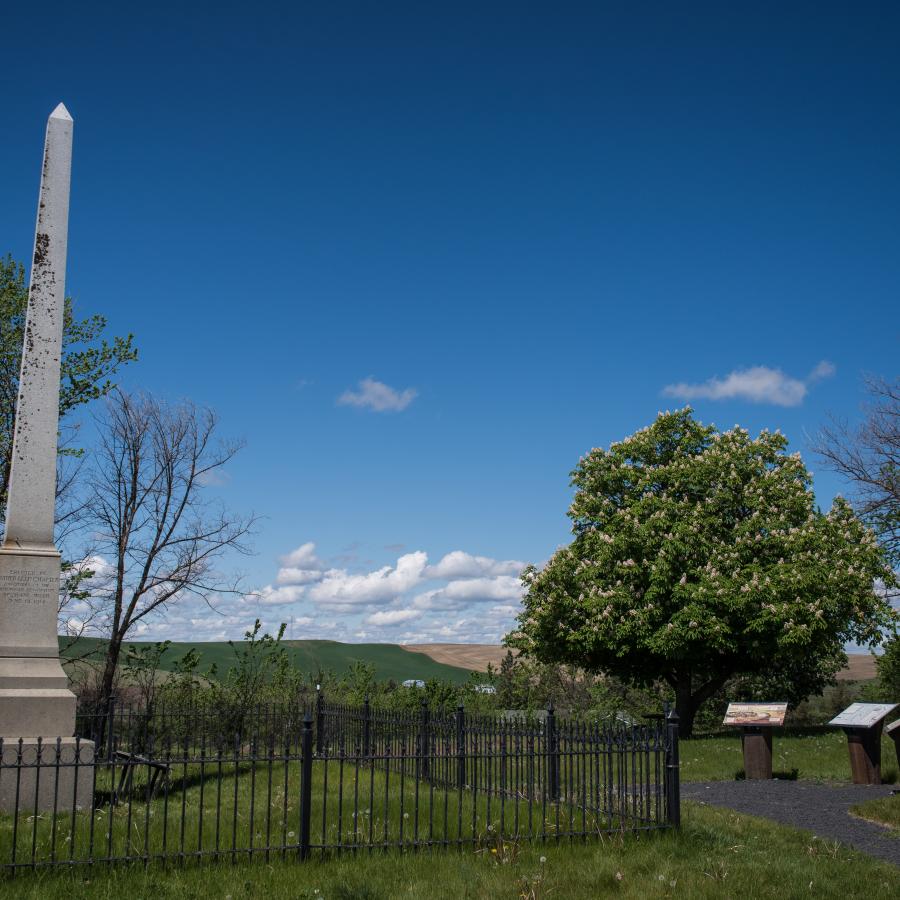
Steptoe Battlefield State Park Heritage Site commemorates one of the most significant conflicts between the U.S. Army and Indigenous tribes in Washington’s territorial history.
Located in Rosalia, Washington, about 40 miles south of Spokane, this small historical site marks the location of the 1858 Battle of Pine Creek, in which Lieutenant Colonel Edward Steptoe and his forces clashed with Palouse, Spokane, and Coeur d’Alene warriors. Outnumbered and unprepared, Steptoe’s troops were forced to retreat under the cover of darkness, narrowly avoiding a complete defeat.
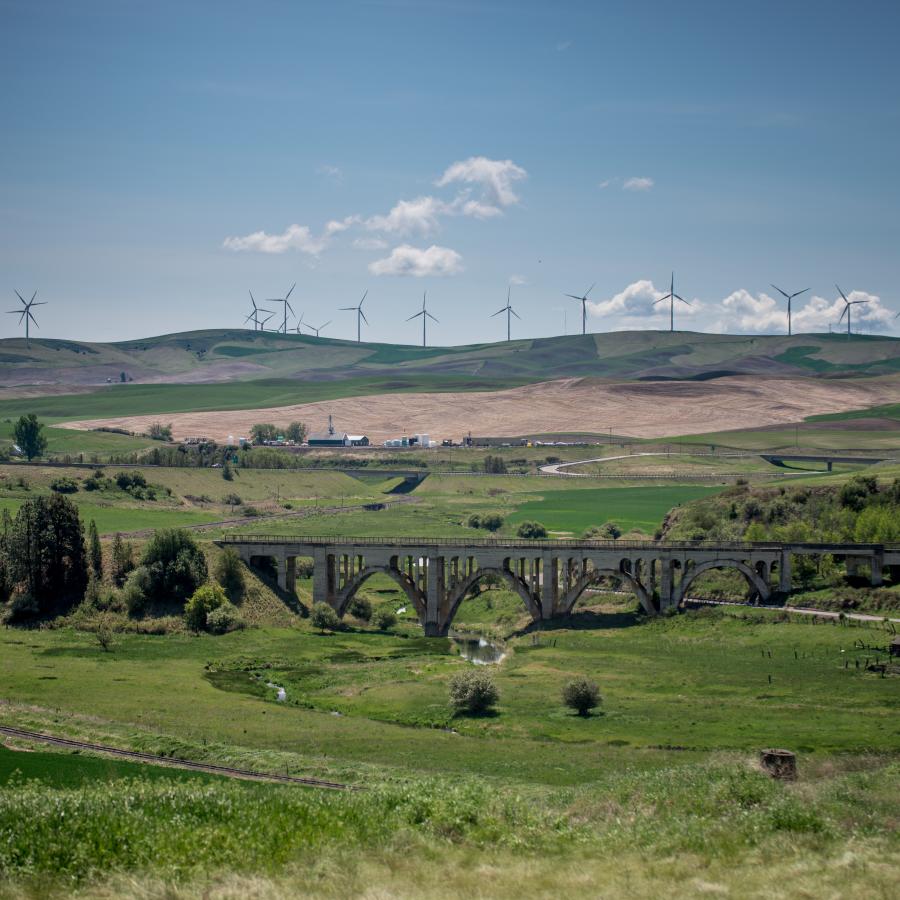
Today, the 4-acre site serves as a quiet memorial to this pivotal moment in Washington’s past. A granite obelisk, erected in 1914, stands at the battlefield, honoring the soldiers who fought there. Visitors can explore informational plaques that detail the battle’s events and its broader impact on the region’s history.
While the park itself is small and lacks extensive amenities, it remains an important historical landmark for those interested in the complex history of Washington’s Indigenous and military conflicts. Steptoe Battlefield State Park is a worthwhile stop for history buffs traveling through Eastern Washington, particularly those exploring the Palouse region.
Peace Arch Historical State Park
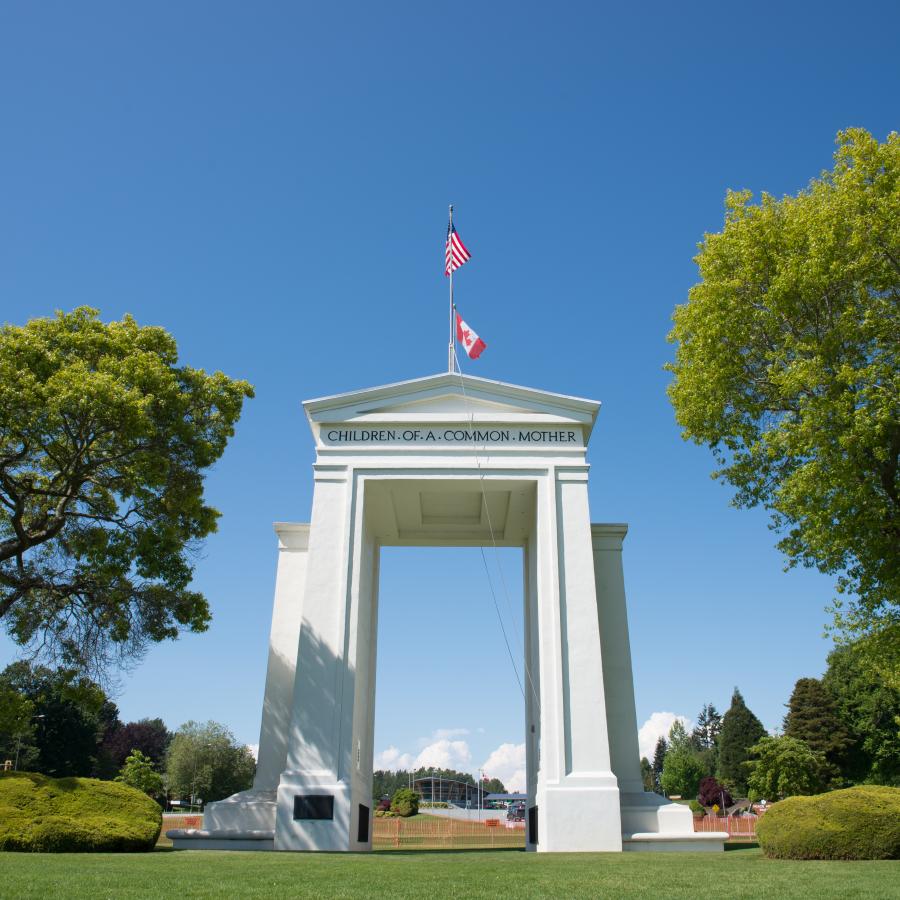
Located at the U.S.-Canada border in Blaine, Peace Arch Historical State Park is one of Washington’s most unique state parks, celebrating international friendship and peace.
The park is home to the iconic Peace Arch, a striking 67-foot-tall monument that straddles the border between Washington and British Columbia. Built in 1921, the arch commemorates the lasting peace between the United States and Canada following the War of 1812 and stands as a symbol of unity between the two nations.
Visitors can walk right up to the arch and even stand on the international boundary—one foot in the U.S. and the other in Canada!
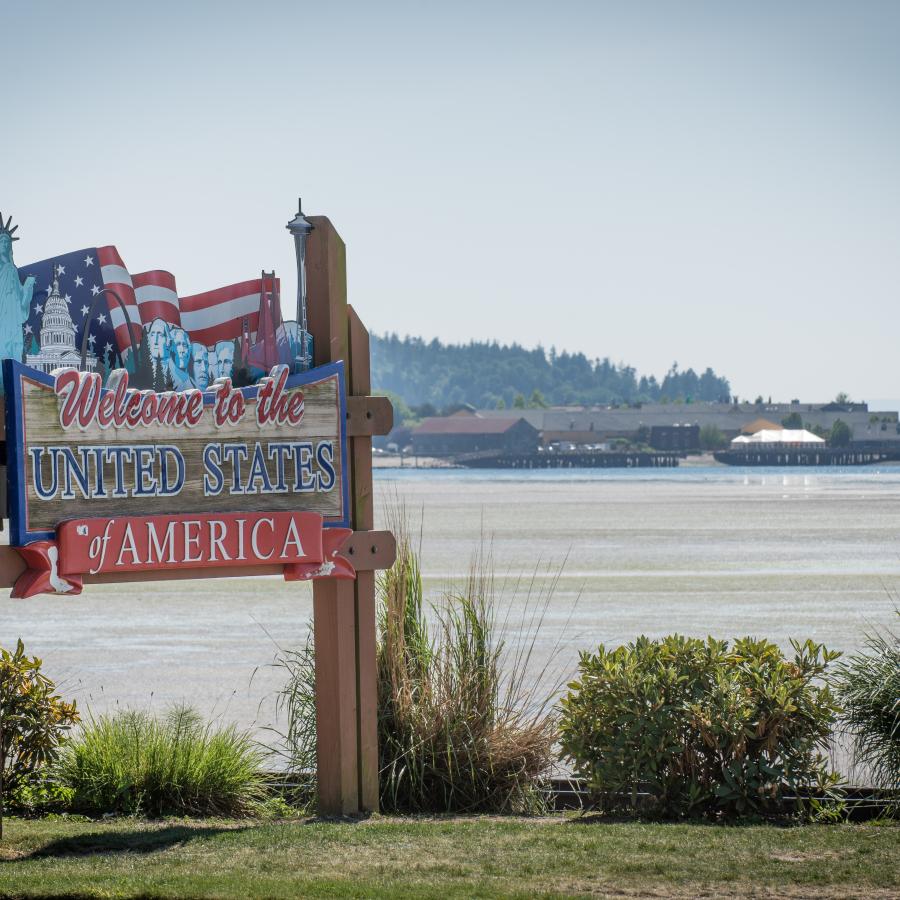
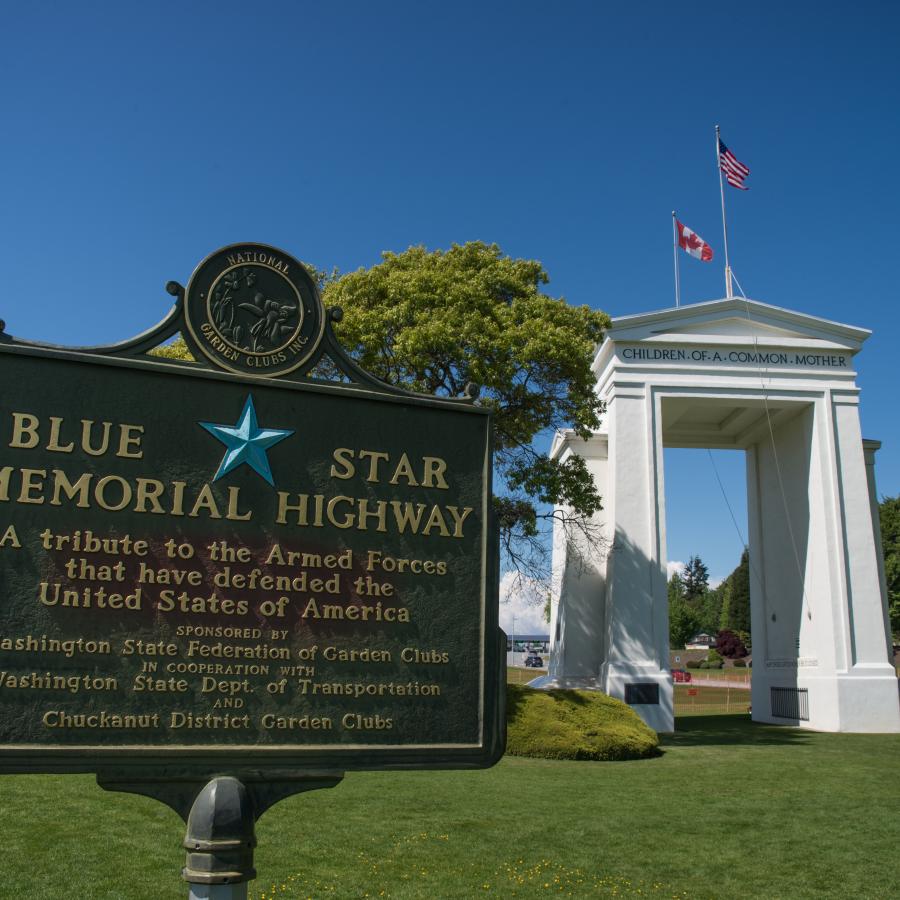
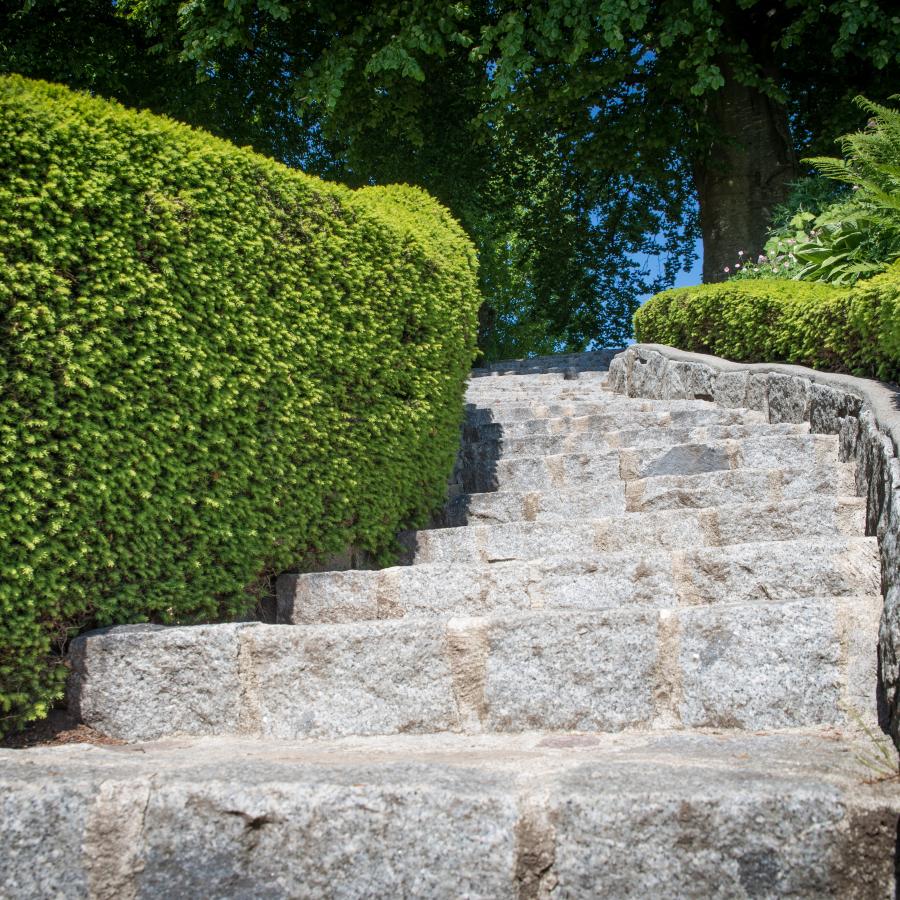
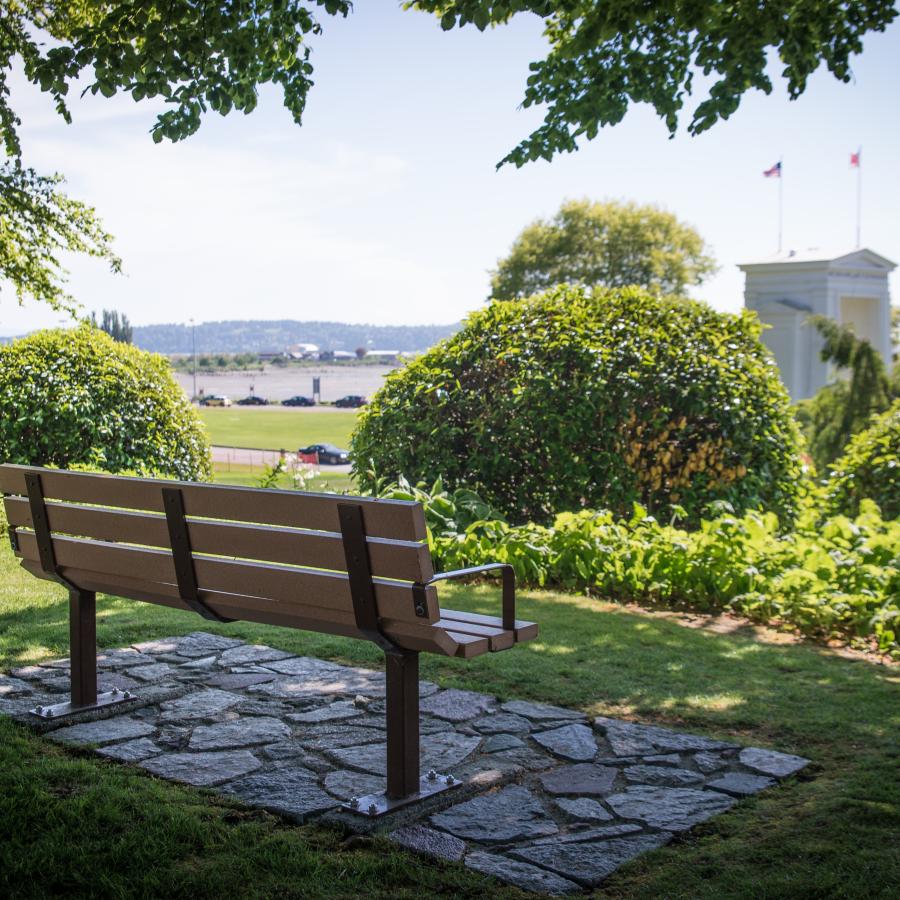
The park itself is a beautifully maintained 20-acre green space filled with flower gardens, sculptures, and picnic areas, making it a peaceful place to relax, stretch your legs, or learn about the history of U.S.-Canada relations.
Peace Arch Historical State Park is one of Washington’s most popular state parks due to its location along Interstate-5, at the busiest land border crossing between Washington and British Columbia, making it a natural stop for travelers.
Whether you’re on a road trip to Vancouver, exploring the northern reaches of Washington, or simply fascinated by international history, Peace Arch Historical State Park is a must-visit stop along the border.
Olmstead Place Historical State Park
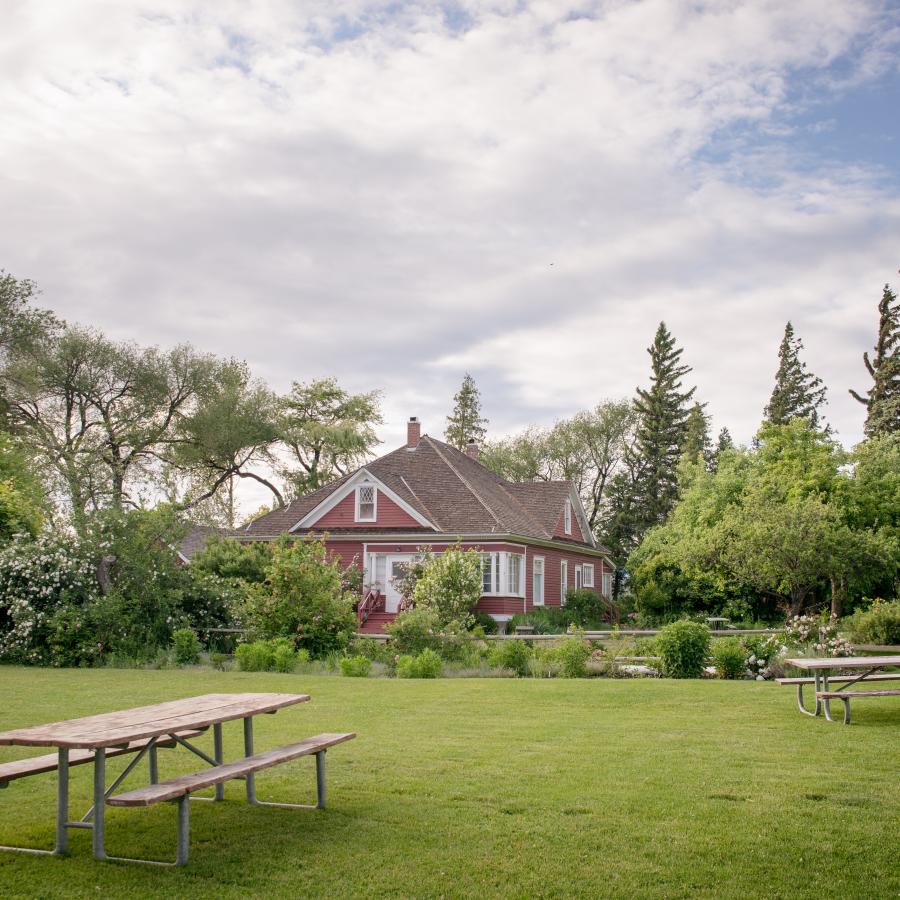
Olmstead Place Historical State Park offers a fascinating look into Washington’s pioneer farming history. Located just east of Ellensburg, this well-preserved homestead dates back to 1875, when the Olmstead family first settled in the fertile Kittitas Valley.
Over the generations, the family’s land evolved from a simple log cabin and small farm into a thriving homestead, and today, visitors can explore the park to see how early settlers lived and worked the land.
At the heart of the park is the original Olmstead farmhouse, which is filled with artifacts and period furnishings that provide insight into 19th and early 20th-century farm life. The park also includes a historic barn, outbuildings, and antique farm equipment, giving visitors a deeper appreciation of Washington’s agricultural roots. Seasonal guided tours of the farmhouse are available, offering a chance to step back in time and hear stories of the Olmstead family’s journey.
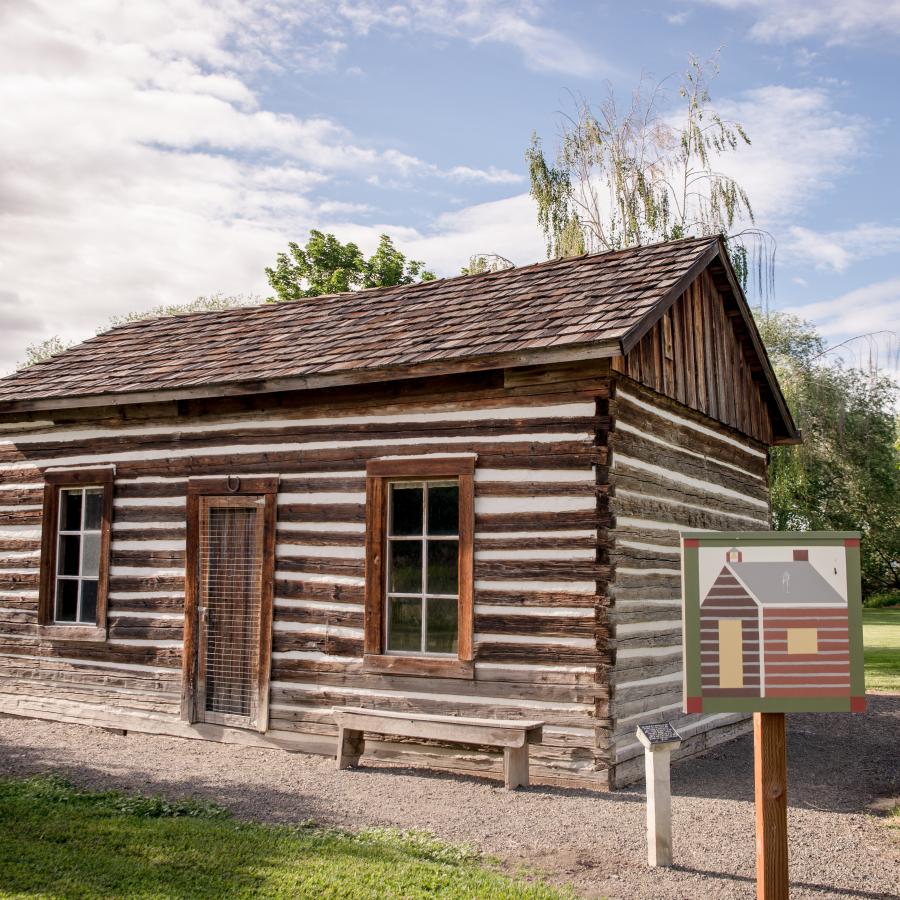
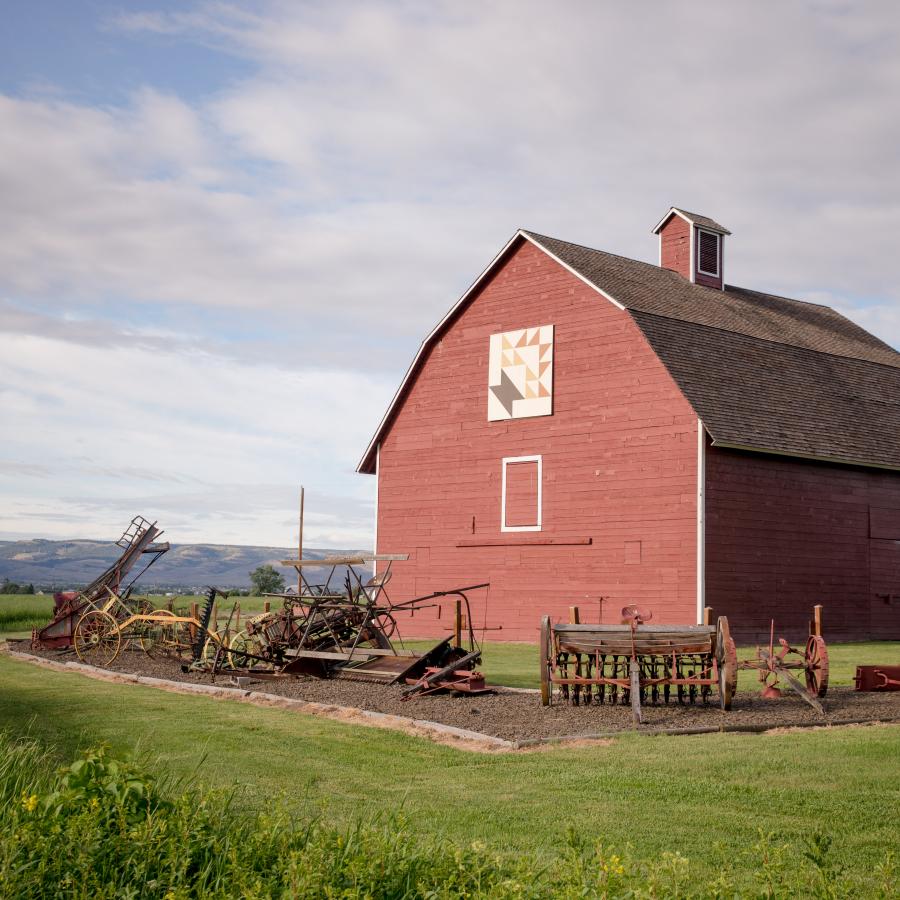
Beyond the historic buildings, the park features open fields, peaceful picnic areas, and interpretive trails. Wildflowers bloom in the spring, adding to the scenic charm. Whether you’re interested in Washington’s pioneer heritage or simply looking for a quiet stop near Ellensburg, Olmstead Place Historical State Park is a hidden gem worth exploring.
Read More on Washington
10 Most Popular State Parks in Washington (Based on 2023 Visitor Numbers)
Walla Walla Travel Guide: What To See, Where To Stay & When To Visit
Whidbey Island Scenic Byway: Journey Through Quaint Coastal Communities on the Puget Sound
Cranberry Coast Scenic Byway: Cranberries, Clams & Crabs, Oh My!