
Tucked away in the vast, rugged expanse of West Texas, Brewster County is a place where the landscape feels almost otherworldly. Towering desert peaks, wide-open skies, historic small towns, and the legendary Big Bend National Park all come together to create one of the most unforgettable corners of the American Southwest.
Whether you’re here for adventure, photography, quiet solitude, or quirky roadside stops, this region is full of surprises waiting just off the highway.
Most visitors come for Big Bend — and yes, the park absolutely lives up to the hype — but there’s so much more to discover in Brewster County.
From ghost towns and scenic drives to art galleries, hot springs, stargazing, and iconic Texas eateries, this part of West Texas offers a trip you’ll remember long after the desert dust settles. Below are the best things to do in Brewster County, including a few you probably haven’t heard of yet.
The Best Things to Do in Brewster County
1. Explore Big Bend National Park
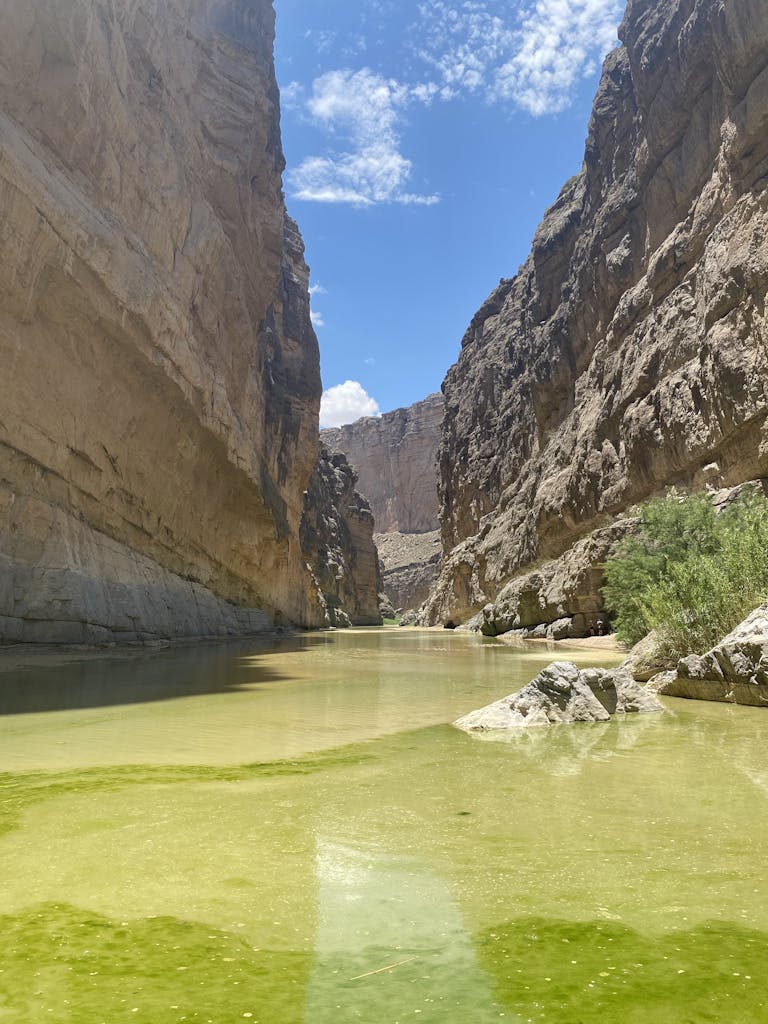
Big Bend National Park spans more than 800,000 acres of desert canyons, volcanic formations, rippling badlands, and rugged peaks. Every corner of the park offers something different, from sweeping desert vistas to narrow slot canyons carved by the Rio Grande.
For first-time visitors, start with the park’s most iconic attractions—Santa Elena Canyon, the Chisos Basin, and Boquillas Canyon.
Santa Elena Canyon is one of Big Bend’s signature landscapes, where 1,500-foot limestone walls rise dramatically above the Rio Grande and glow gold at sunset. The Chisos Basin, the only mountain range fully contained within a national park, offers cooler temperatures, panoramic overlooks, and some of the best hiking in West Texas (can’t miss hikes here include Lost Mine Trail and the Window Trail).
On the far east side of the park, Boquillas Canyon delivers a quieter, softer beauty, with towering canyon walls, sandy riverbanks, and gentle trails perfect for sunrise or late-afternoon exploration.
2. Soak at Langford Hot Springs

Tucked along the bank of the Rio Grande, Langford Hot Springs is one of Big Bend’s most iconic and intriguing places—part natural wonder, part living history, and part desert oasis. These natural springs sit right at the water’s edge, where warm, mineral-rich water flows into a stone pool built atop the 100-year-old foundation of an old bathhouse.
It’s a primitive, open-air soaking experience with mountain views, desert silence, and the river drifting gently by your feet. The water stays around 105°F, making it the perfect reward after a long hike or a day on the trail.
The area upstream of Rio Grand Village contains several thermal seeps, but Langford Hot Springs is the most famous of them all. It’s a spot that blends geology, culture, and desert landscape into one unforgettable experience.
3. Drive the Ross Maxwell Scenic Road

If you want to experience Big Bend’s most dramatic landscapes without committing to long hikes, the Ross Maxwell Scenic Drive is the perfect half-day adventure. This 30-mile route begins near the Chisos Mountains and winds all the way down to the mouth of Santa Elena Canyon, offering one jaw-dropping view after another!
This is where Big Bend’s geology really shines. The road cuts through the heart of the Chihuahuan Desert, passing volcanic formations, layered badlands, eroded mesas, and open plains backed by the Sierra Quemada Mountains.
Along the way, you’ll find some of the park’s most beloved stops including Sotol Vista Overlook, Mule Ears Viewpoint (a viewpoint of the park’s twin volcanic peaks), and Castolon Historic District (where historic adobe buildings tell the story of early settlers along the Rio Grande).
The Ross Maxwell Scenic Drive is an excellent option if you’re short on time, traveling with family, or visiting for the first time. Depending on how often you stop, the drive can take as little as one hour or stretch into a five hour road trip filled with short hikes, historic sites, and endless photo opportunities.
4. Discover the charm of Marathon

One small town in the Big Bend region you simply must visit is Marathon—a charming, slightly eccentric desert oasis that feels like an essential part of any West Texas adventure. Bordering Big Bend National Park just 40 miles north of the Panther Junction entrance, Marathon is the closest town to the park’s northern boundary and an ideal base for exploring the region.
Tucked at the foot of the rugged Glass Mountains, this tiny community offers a surprising amount of character for its size. It’s quiet, creative, and welcoming, with the kind of desert charm that makes West Texas road trips feel almost dreamlike.
I stayed here for two nights during my own West Texas trip, and while it takes some effort to reach, the reward is a peaceful, art-filled, wonderfully friendly town that feels worlds away from everything. Marathon has seriously good food, a few small but lovely art galleries, and a beautiful local park that’s perfect for an evening stroll or sunset watching.
The town also offers several historic and one-of-a-kind lodging options that can make your West Texas adventure even more memorable. If you’re looking for a place to slow down, unwind, and soak up small-town desert life, Marathon is it.
5. Stay at Eve’s Garden Bed & Breakfast

If you’re looking for a truly unforgettable place to stay in Brewster County, Eve’s Garden Bed & Breakfast in Marathon is an absolute must. This eco-friendly, art-filled B&B is unlike anywhere else in West Texas—colorful, creative, welcoming, and wonderfully quirky in the best possible way.
I stayed here for two nights during my West Texas road trip, and it instantly became one of my favorite accommodations I’ve ever experienced. From the moment you step inside, you’re surrounded by vibrant walls, whimsical architecture, lush indoor greenery, and an atmosphere that’s somehow both peaceful and full of personality.
The property features include unique, hand-crafted architecture built from papercrete and strawbale, a large indoor garden filled with blooming flowers, and an indoor lap pool with a disco ball above it! There’s many more amazing features about this property which you can read about in this post.


The hosts are warm, thoughtful, and serve one of the best homemade breakfasts I’ve ever had at a B&B. It’s the kind of place where you instantly feel at home, yet also feel like you’re staying inside a piece of living art.
Eve’s Garden is perfect for travelers who want charm, creativity, and comfort all wrapped into one—plus it’s ideally located for exploring both Marathon and the north entrance of Big Bend National Park.
6. Visit Big Bend Ranch State Park

Don’t confuse it with Big Bend National Park—though it sits practically next door, Big Bend Ranch State Park is much larger, wilder, and far more remote. In fact, it’s the largest state park in Texas, spanning over 300,000 acres along the Rio Grande on the U.S.–Mexico border.
This untamed high-desert landscape is a dream for hikers, photographers, and adventurers seeking solitude and dramatic scenery. The park is filled with rugged mountains, steep canyons, sweeping desert vistas, and wide-open skies. Its remote location means few visitors, unrivaled peace, and some of the darkest night skies in Texas—it’s officially designated an International Dark Sky Park.
Outdoor recreation here is truly for the adventurous. You can hike desert trails and hidden slot canyons, backpack into remote backcountry areas, mountain bike rugged routes, float sections of the Rio Grande, or explore by two- or four-wheel-drive vehicle.
Because it’s Texas’ largest state park, there’s a lot to explore, much of it off the beaten path. Bring plenty of gas, water, and supplies, and be ready for the solitude and rugged conditions that make this park so special. Big Bend Ranch offers a side of West Texas that few travelers ever see—but those who do often find it unforgettable.
7. Wander through Terlingua Ghost Town
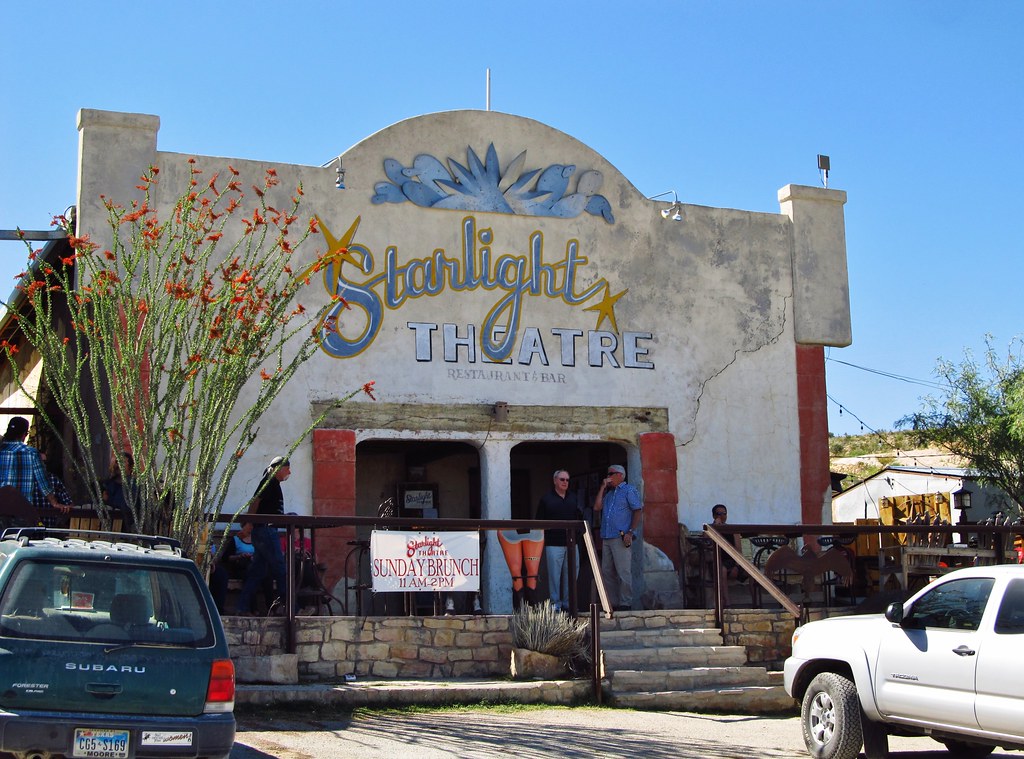
Just outside Big Bend National Park sits Terlingua Ghost Town, one of West Texas’ most eccentric and unforgettable desert communities. What was once a remote mining settlement is now a quirky, free-spirited hub for travelers, artists, musicians, and adventurers exploring the Big Bend region.
At the heart of town is the Starlight Theatre, a restored early-1900s building that now serves as a lively restaurant and live-music venue. With its rustic desert setting, nightly crowd of hikers, locals, and road-trippers, it’s the kind of place you may end up staying for hours. Surrounding it are art galleries, gift shops, trading posts, and offbeat lodging options that give the town its eclectic personality.
Many visitors choose Terlingua as their base for exploring Big Bend National Park since it’s the closest town to the park’s western entrance. Its rugged, artsy, and slightly weird character is a big part of the appeal — and absolutely worth experiencing on any Big Bend itinerary.
8. Plan a trip around the Terlingua Chili Cook-Off

Speaking of Terlingua — if you want a true taste of West Texas culture, plan your trip around the legendary Terlingua Chili Cook-Off, held every November. This iconic festival draws thousands of chili lovers, cooks, RV campers, and party-ready travelers from all over the country.
For four days, this normally quiet desert settlement transforms into a full-blown pop-up village buzzing with energy. Think live music echoing across the mesas, tents and RVs packed into the desert floor, margarita and Bloody Mary competitions, and of course — nonstop chili tastings and fierce cook-off battles. People plan all year for this event, and many arrive days early just to secure their favorite camping spot.
I haven’t made it to the cook-off yet — I literally missed it by a few days on my last West Texas trip — but everyone I met who has gone raves about it. My hiking guide, several travelers I crossed paths with, even locals who’ve attended for decades all described it as an absolute spectacle. Rowdy in the best way, wildly entertaining, and full of the quirky personality that makes Terlingua so unforgettable.
From everything I’ve heard, it’s basically the Super Bowl of chili festivals, and I’m already planning to be there next year. If you love food, community, desert culture, and a little controlled chaos, the Terlingua Chili Cook-Off is a must-do in Brewster County.
9. Cross the border to Boquillas del Carmen, Mexico

One of the most unique experiences you can have in the Big Bend region is crossing the border into Boquillas del Carmen, a small village in northern Mexico located just across the Rio Grande from Big Bend National Park. It’s not every day you can walk or row across an international border in the middle of a national park — and that’s exactly what makes this adventure so memorable.
The crossing is located inside Big Bend National Park at the Boquillas Port of Entry, and visitors can choose to walk across the shallow river or pay a small fee (typically around $5) for a rowboat ferry ride. Once you’re on the other side, local guides offer rides into the village by truck or burro, or you can simply walk. A valid passport is required, but the process is surprisingly simple and laid-back.
Boquillas itself is colorful and full of charm. There, you can enjoy homemade Mexican food, cold beverages, pick up local crafts and souvenirs, and experience life in a remote border community.
It’s a great way to support the local economy, and a one-of-a-kind experience you can only have in Big Bend! Even though I didn’t have time to cross on my recent trip, my hiking guide described it as a highlight for visitors to the region.
10. Stargaze under some of the darkest skies in North America

If you came to Brewster County for sightseeing, hiking, or the desert scenery, don’t call it a day when the sun goes down—because the night skies here are every bit as spectacular as the landscapes. This region is part of one of the largest International Dark Sky Reserves in the world, and its skies are among the darkest in North America.
Both Big Bend National Park and Big Bend Ranch State Park are certified International Dark Sky Parks, offering enormous horizons, almost no artificial light, and conditions ideal for stargazing or astrophotography.
Big Bend National Park hosts free ranger-led night sky programs, including telescope viewings and moonlight walks. Big Bend Ranch State Park offers a wilder, more solitary stargazing experience—just you, the desert, and a sky that feels impossibly vast.
Even Marathon sits at a Bortle Scale 1 (the darkest classification possible) earning it the nickname “Dark Sky Capital of Texas.” Terlingua is also a top stargazing destination thanks to its rugged mountain silhouettes, which add drama and depth to night photography. In 2026, Far Flung Outdoor Center will even offer a dedicated astrophotography workshop for visitors who want to learn how to capture these extraordinary skies
And if you’re willing to make the drive north toward Fort Davis, the world-class McDonald Observatory hosts guided star parties and educational programs that perfectly complement any Big Bend stargazing trip.
In the end, stargazing in Brewster County is more than an activity—it’s a highlight of the West Texas experience. Here, the night sky isn’t just something you see. It’s something you feel.
11. Take a road trip across the open West Texas desert

One of the best things to do in Brewster County isn’t a single attraction — it’s simply driving. The open desert highways of West Texas are legendary, and once you’re on them, you’ll understand why people fall in love with this region long before they ever reach Big Bend.
Highway 118, Highway 385, and the lonely stretches between Terlingua, Marathon, and the national parks offer mile after mile of cinematic scenery. Jagged mountains on the horizon, sweeping desert basins glowing at sunrise and sunset, and straight empty roads seem to go forever.
Driving around these parts of Texas feel meditative… and a little magical. You’ll find endless opportunities to pull over for wildlife sightings, big-sky photos, blooming ocotillo, and those classic “West Texas road” shots that look like they belong on a movie poster.
If it’s your first time visiting the region, I highly recommend turning the drive itself into part of the adventure. I’ve created a complete West Texas road trip itinerary that showcases not just Brewster County, but the best of the entire Big Bend region including hidden towns, scenic detours, historic sites, lesser-known parks, and more. It’s the perfect guide for planning an unforgettable desert journey!
→ Read my West Texas Road Trip Itinerary (and discover even more stops worth adding to your Big Bend adventure!)