

Arizona is home to some of the most breathtaking national parks and monuments in the USA. There are three national parks in this state including Grand Canyon National Park — the most famous national parks in the world and the second most visited national park in the country.
While Grand Canyon National Park attracts almost five million visitors a year, there are many other spectacular natural wonders to see in Arizona. Incase you didn’t know, the Grand Canyon State is home to deserts filled with giant cacti, petrified forests, ancient cliff dwellings, and stunning red rock landscapes.
In fact, there are so many natural and man-made wonders in this state that 18 national monuments have been created in Arizona. No other state has this many national monuments! Here is a guide to all of the national parks and national monuments in Arizona. There are 21 parks in total for you to discover!
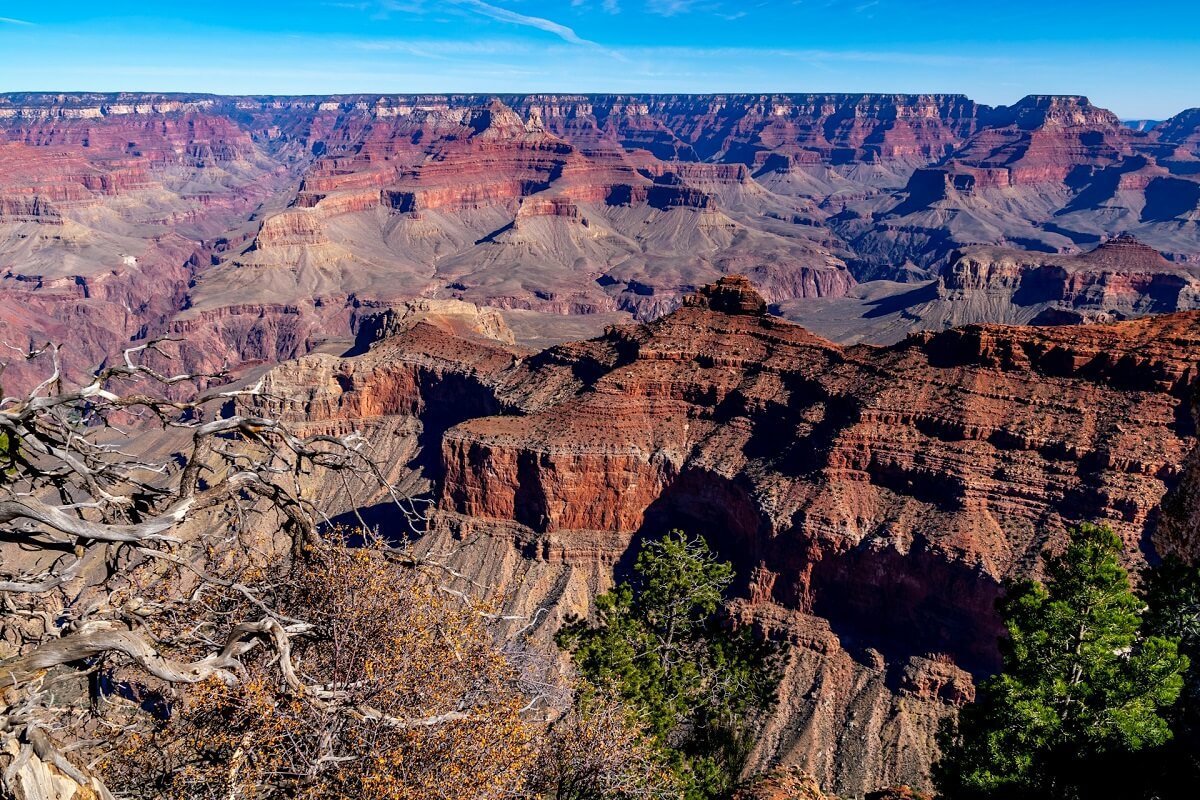
Grand Canyon National Park
Grand Canyon National Park was established to protect the awe-inspiring “grand” canyon, a 277-mile long canyon that descends more than a mile to the canyon’s floor where the wild Colorado River continues to carve away at the rugged landscape. This spectacular example of erosion can be viewed from the canyon’s south and north rims. Visit this geological wonder in northern Arizona.

Petrified Forest National Park
Petrified Forest National Park is home to one of the highest concentrations of petrified wood in the world! At this park you’ll see thousands of fossilized trees containing colorful amethyst and quartz crystals. Visit these 200-million year old trees in northern Arizona.
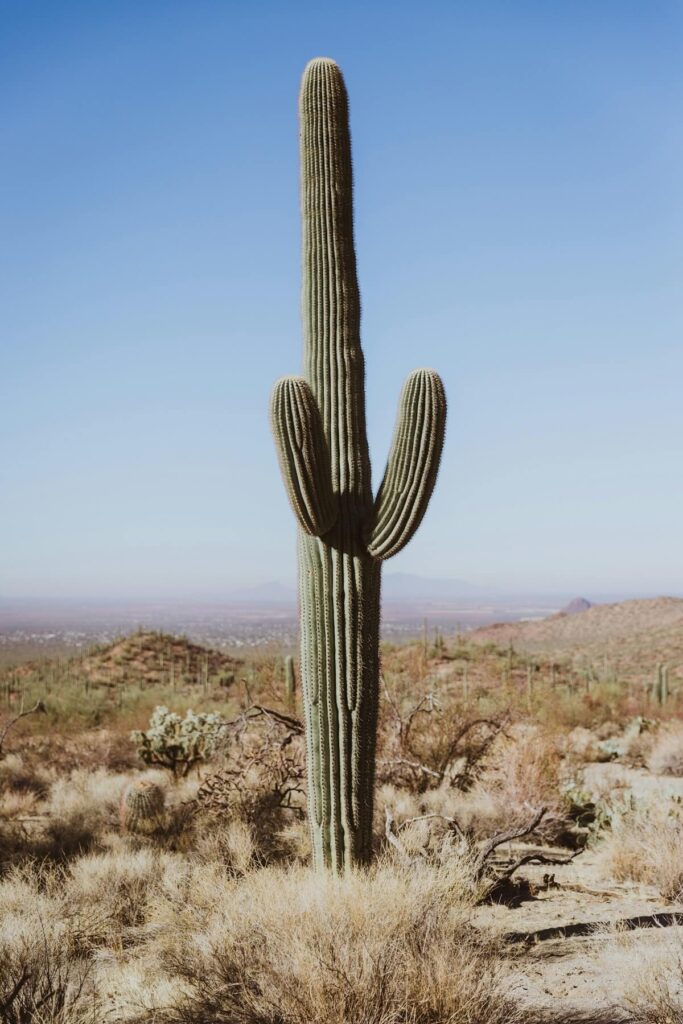
Saguaro National Park
Saguaro National Park is home to the rare Sagauro cactus, a giant cactus that is found nowhere else in the world except for the Sonoran Desert. These huge cacti can grow up to 50-feet tall and can live for up to 200 years! You can visit this impressive forest of giant cactus in southern Arizona.
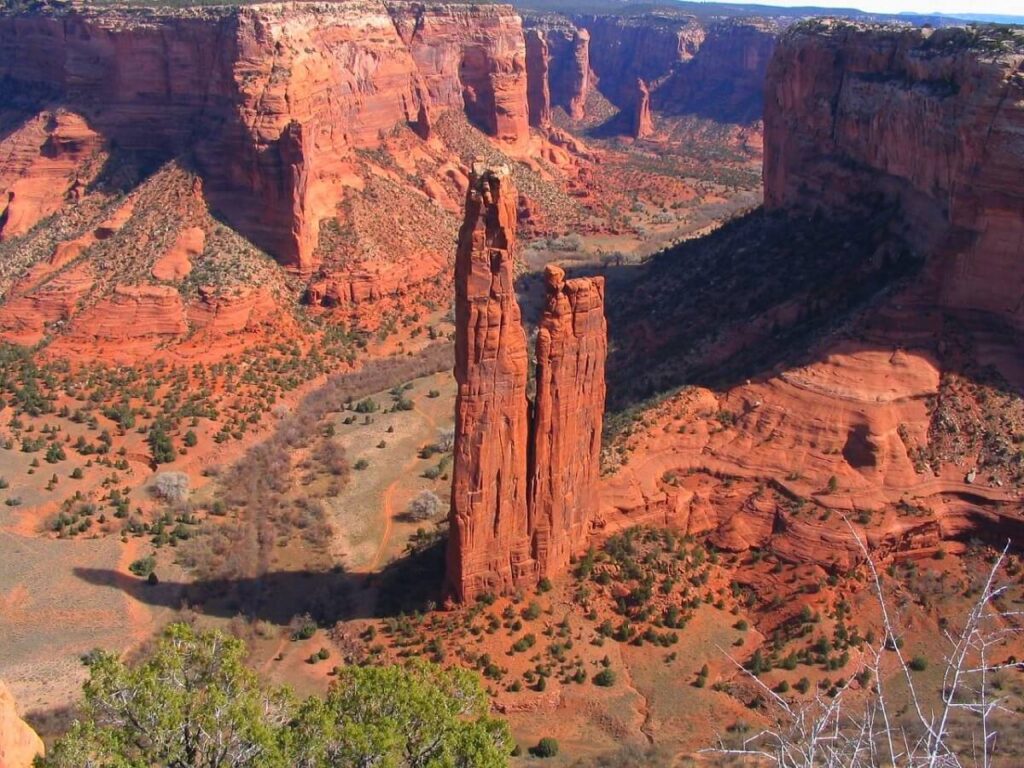
Canyon de Chelly National Monument
Canyon de Chelly National Monument encompasses the floors and rims of three major canyons; de Chelly, del Muerto, and Monument. It is one of the longest continuously inhabited landscapes in North America. The park is situated within the boundaries of the Navajo Nation in the far Four Corners region of northeastern Arizona.
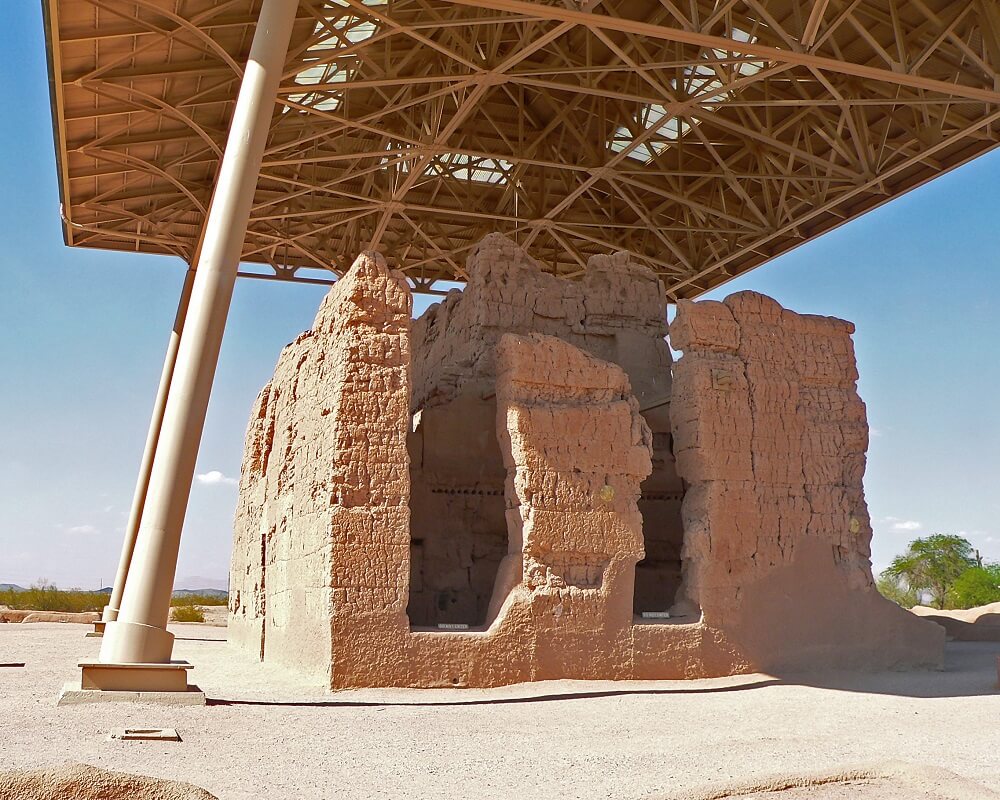
Casa Grande Ruins National Monument
Casa Grande Ruins National Monument preserves a group of structures built between 1150 and 1450 CE by ancestral Sonoran Desert people. At this park you can walk through an extensive compound to see ruins and a canal irrigation system that helped sustain indigenous people who lived and farmed the Gila Valley for centuries. This park can be found just outside of Phoenix in southern Arizona.

Montezuma Castle National Monument
Montezuma Castle National Monument protects prehistoric cliff dwellings built by ancient Sinagua people. It is one of the best preserved and easily accessed cliff dwellings in North America. You can visit this early example of architectural ingenuity in central Arizona.
>> See Guide To Visiting Montezuma Castle National Monument.
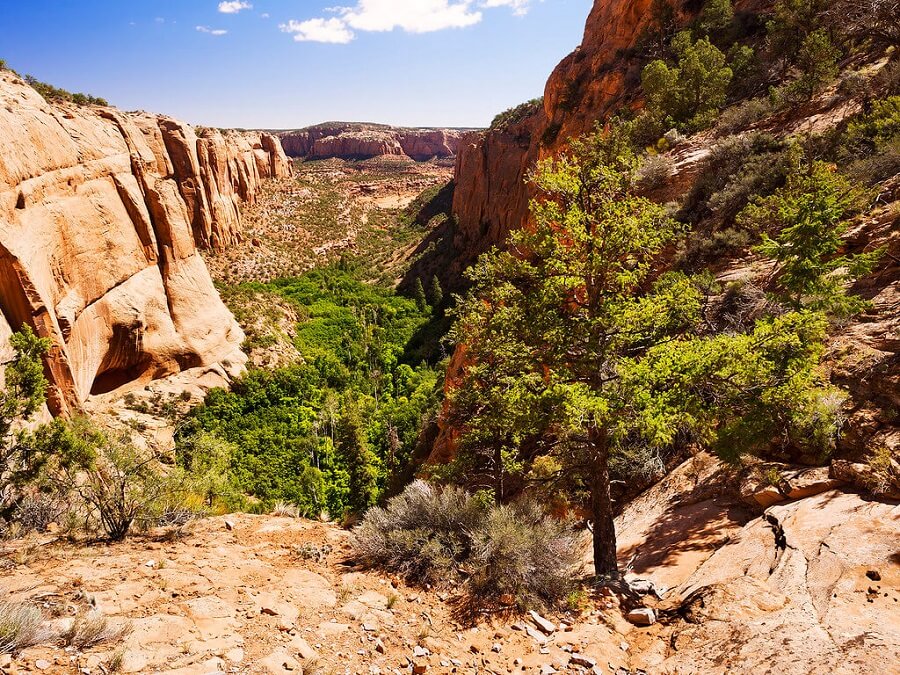
Navajo National Monument
Navajo National Monument was established to protect three cliff dwellings that date back to the 13th century. These cliff dwellings were all built inside large, natural alcoves high up in towering Navajo Sandstone rocks. At the park you’ll find a visitor center with a museum, three short hiking trails and two small campgrounds. The park is located inside Navajo Nation in the far northeastern corner of Arizona.

Organ Pipe Cactus National Monument
Organ Pipe Cactus National Monument is the only place in the United States to see large stands of organ pipe cacti growing naturally. The park was set aside to protect part of the Sonoran Desert; a unique ecosystem home to quirky cacti, unusual birds and other wildlife. You can visit this UNESCO biosphere reserve in southern Arizona.
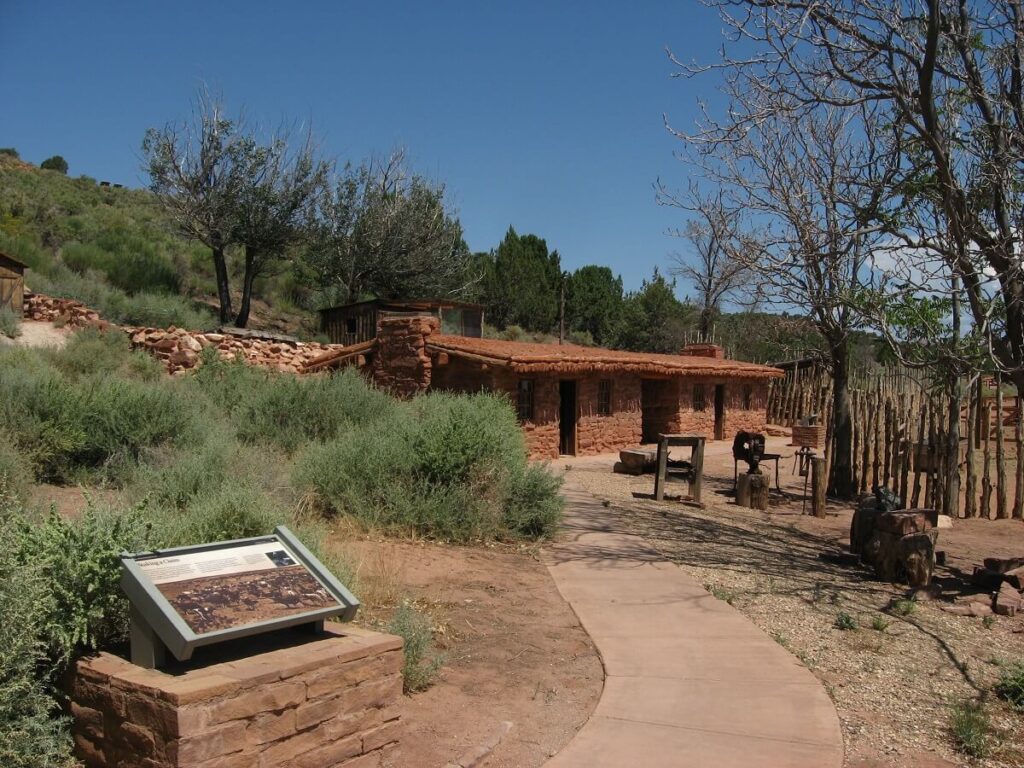
Pipe Spring National Monument
Pipe Spring National Monument is the site of a natural spring that was once home to Kaibab Paiute Indians and later, mormon settlers. At the park you can explore remnants of a late 19th century Mormon ranch and learn about native American cultures at the Kaibab Band of Paiute Indians Visitor Center and Museum. You can visit this historical site in northern Arizona.
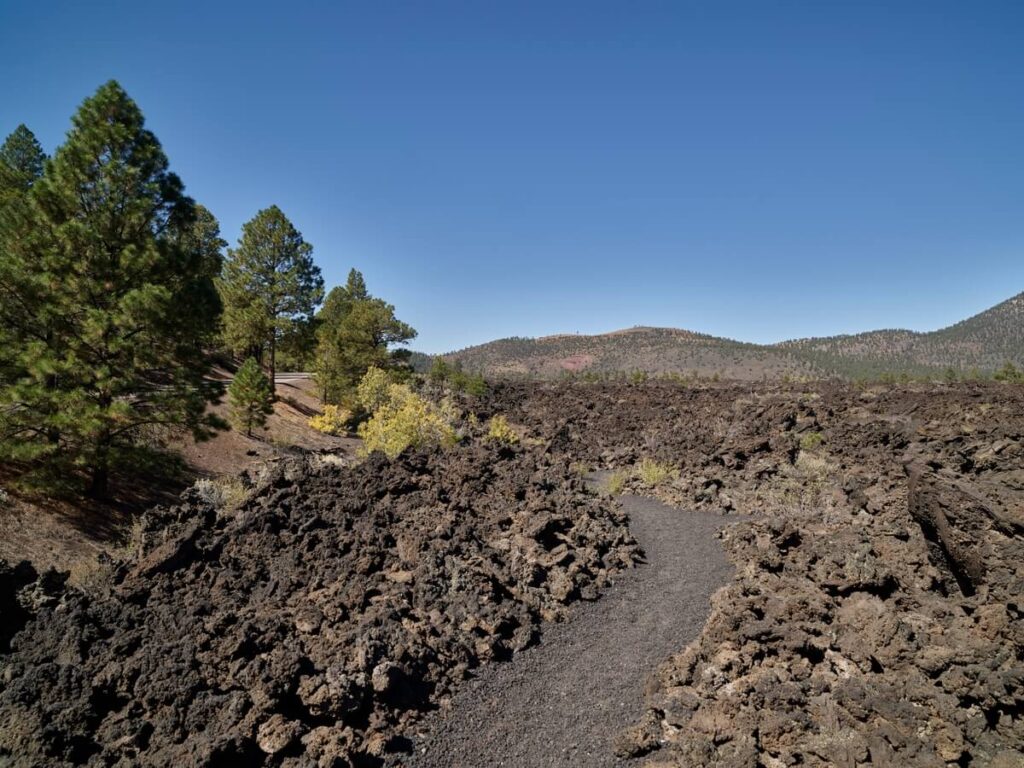
Sunset Crater Volcano National Monument
Sunset Crater Volcano National Monument was created to protect Sunset Crater, a cinder cone that erupted around 1085 which destroyed structures built by Ancestral Puebloan people that lived here during that time. Visitors can explore lava flows and volcanic features along hiking trails. You can visit the site of Arizona’s most recent volcanic eruption just north of Flagstaff in northern Arizona.
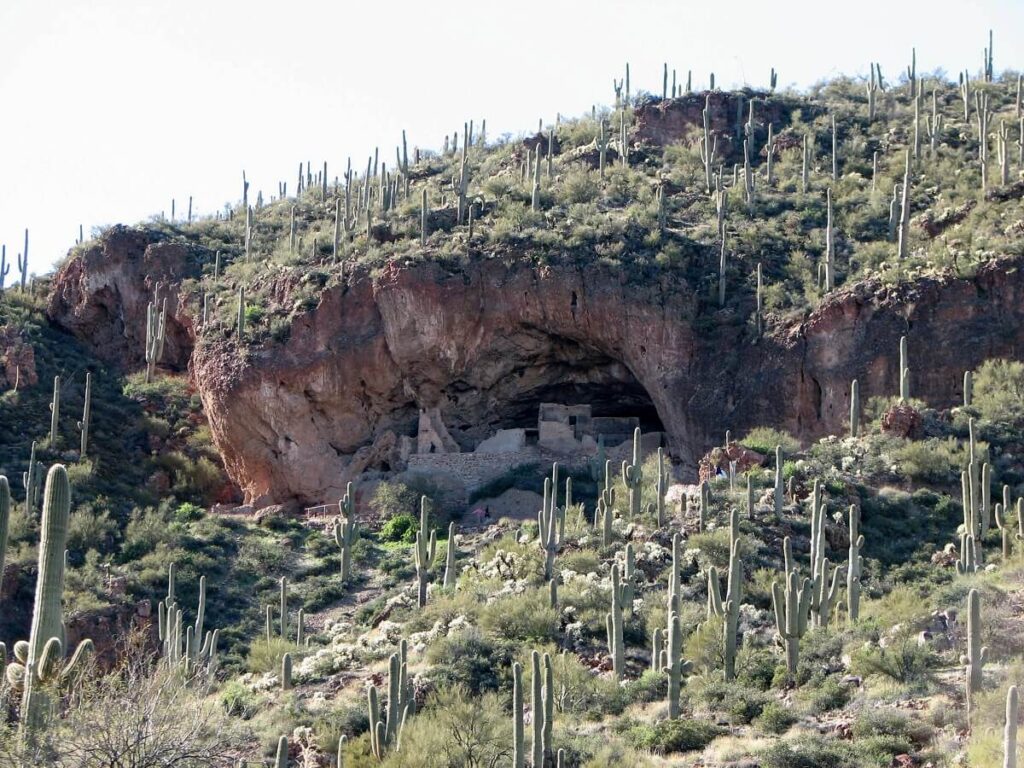
Tonto National Monument
Tonto National Monument was established in 1907 to protect several cliff dwellings and numerous smaller archeological sites scattered throughout the highlands and alluvial plains within the Tonto Basin. These cliff dwellings were built 700 years ago by Salado people, a prehistoric cultural group living in the Tonto Basin between A.D. 1250 and A.D. 1450. You can visit this park in southern Arizona.
Tuzigoot National Monument
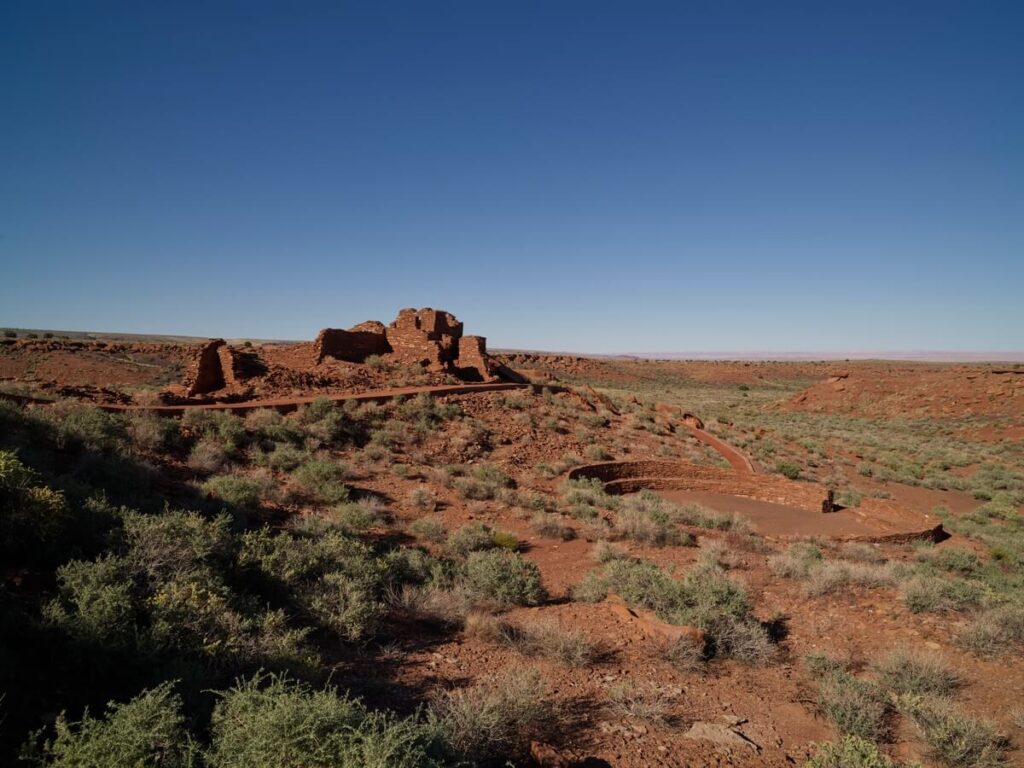
Tuzigoot National Monument protects an ancient 110-room pueblo that sits atop a hill in the Verde Valley in central Arizona. This massive pueblo was built around 1000AD by the Sinagua people. Visitors can explore the pueblo along several hiking trails, as well and see exhibits displaying artifacts depicting the lifestyle of the Sinaguans.
Walnut Canyon National Monument
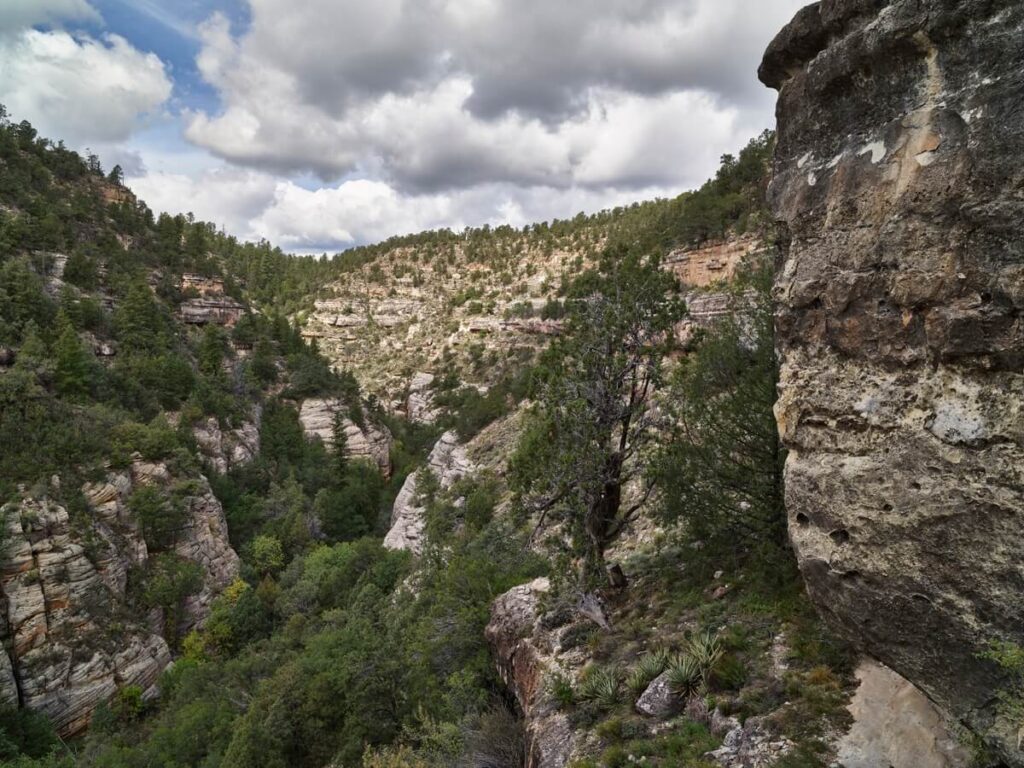
Walnut Canyon National Monument protects a collection of cliff dwellings that were once home to the Sinagua, a pre-Columbian cultural group that lived in the area between 1100 to 1250 AD. There are several hiking trails that will take you into Walnut Canyon where you can explore cliff dwellings carved under limestone overhangs. You’ll find this park just east of Flagstaff in northern Arizona.
Wupatki National Monument
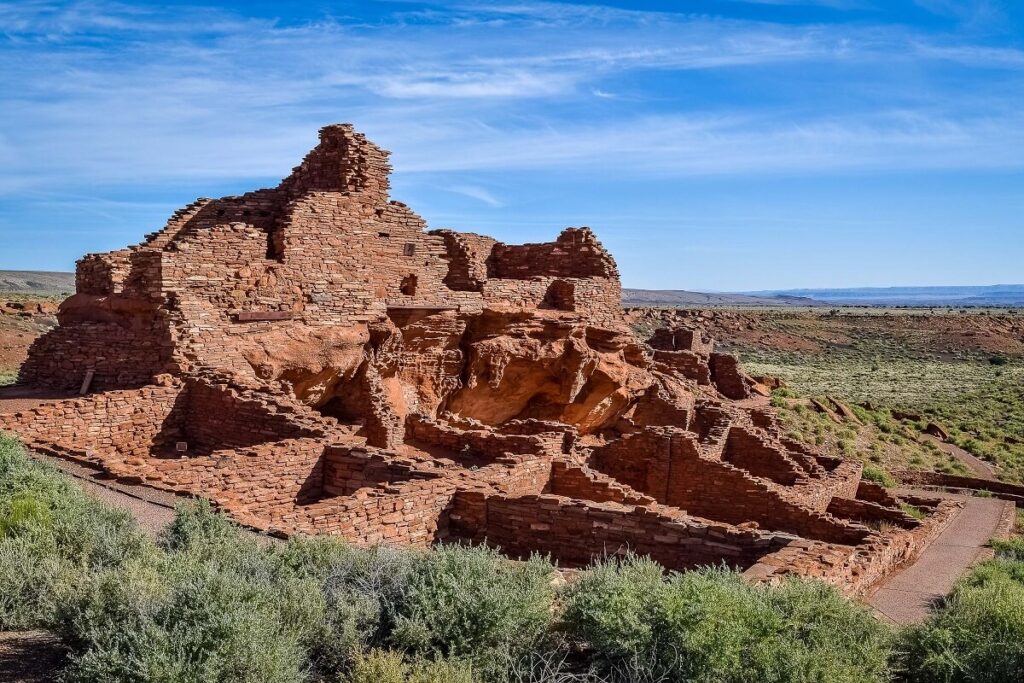
Wupatki National Monument protects one of the largest pueblos in Arizona. Visitors to the park can hike through red rocks, pausing at village ruins along the way to learn about the lives of the ancestral indigenous people who once called Wupatki home. You can find this park just north of Flagstaff in northern Arizona.